
|
Residential Balcony Power Plant Solar Generator Solution includes a complete "a microinverter + Battery" package, offering multiple models of micro inverters and battery products suitable for new balcony solar generators, retrofitting existing residential grid-connected systems, or areas with no (or weak) grid. CNCOB's balcony power plant solar generator solution enables a higher proportion of self-consumption of green electricity, reducing electricity bills; it also provides UPS power to ensure uninterrupted operation of critical equipment; users can easily monitor the solar generator status through CNCOB's cloud monitoring, enjoying a carbon-free lifestyle. |
 |
 |
High Compatibility · Compatible with high-current solar modules and mainstream brand batteries |
 |
Easy Installation · Compact size, lightweight, plug-and-play, minimizing installation time |
 |
Independent Assurance · Seamless switching of power within 10ms, reducing reliance on the grid |
 |
Smart Operation and Maintenance · Built-in multiple operation modes for flexible use, 24/7 monitoring to ensure stable system operation |
 |
Safety and Reliability with Lithium Iron Phosphate Cells |  |
High/Low Temperature Protection Overvoltage/Undervoltage Protection Functions |
 |
IP65 Protection Level Ensuring the efficient and stable operation of the system |
 |
Modular Battery Design Flexible expansion of battery capacity to meet varying needs |
 |
Fastest 1C Charge/Discharge Rate Maximum Current up to 100A |
 |
Less than 10 Milliseconds Seamless activation of backup power in less than 10 milliseconds |
 |
Support for Multiple Operating Modes Off-Grid/Universal/Economy and Backup Modes |
 |
Support for Three-Phase Unbalanced Input/Output |


 |
The Second Generation of Balcony Solar System 1.Integrating PV HUB with micro inverter. 2. Supports AC/DC input and can charge the battery pack through the grid. 3. More intelligent distribution of electrical energy EX800+PHP200. 4. Multiple protection ensures safe use. |
| On-grid: Power your world with a fuss-free combination of solar, battery, and grid sources and save on energy bills. |
Off-grid: Stay connected, even off the grid. Any time of day or night, we’ve got you covered. |
| During the day: Your PV generates electricity to power your home. Store any extra generated energy in your battery for later use and seamlessly channel any surplus energy back into the grid. At night: Your battery steps in to provide energy as and when you need it. Battery run out? Effortlessly draw power for your home from the grid. |
During the day: Power your home with your PV while charging the battery for when you need it most. At night: Ensure a continuous power supply by leveraging your battery when you need it.And if your battery charge is running low? Use your backup generator to both meet your energy needs and recharge your battery. |


The below content is the complete 101 guide to balcony solar panels, written for anyone who knows absolutely nothing about solar energy.
PV power stations are also classified as centralized or distributed, based on their installation location.
Distributed power stations are further divided into residential systems (installed on homes), and commercial and industrial systems (installed on factories, shopping malls, etc.).
Further classifications can be made based on different installation techniques, grid-connection methods, and so on.
For our purposes, you just need to know that a balcony PV system is essentially a residential grid-tied PV power station. So, if the grid goes down, your balcony PV system will stop working too!
Balcony PV, also known as DIY PV in other countries, is a photovoltaic system that ordinary people can easily install on their own balconies. It is very popular abroad, especially in Europe. Currently, the domestic residential market is tough to break into, and grid capacity is becoming scarce. These conditions have created an opportunity for balcony PV to enter thousands of households.
The core components are:
Due to the limitations of currently mass-produced products, the key requirement for installing a balcony PV system is that you must be able to use up all the electricity it generates during the day. In plain terms, the power your balcony PV system produces must be fully consumed on the same day.
In the near future (estimated January 2025), balcony PV microinverters that can be paired with energy storage will be mass-produced. This will make it possible to store electricity for use at night or at a later time.
You just need to know this: as long as your balcony PV system is generating electricity, your home will automatically use the power from the PV system first. The specific installation process will be described below.
An inverter, also known as a converter, is a device that converts the direct current (DC) from solar panels into the alternating current (AC) that we use in our homes. Common types of inverters in the PV industry include string inverters, microinverters, central inverters, and off-grid inverters.
A microinverter can be thought of as a small inverter that connects to only a few (2-8) panels but offers some unique functions. Microinverters are typically more expensive.

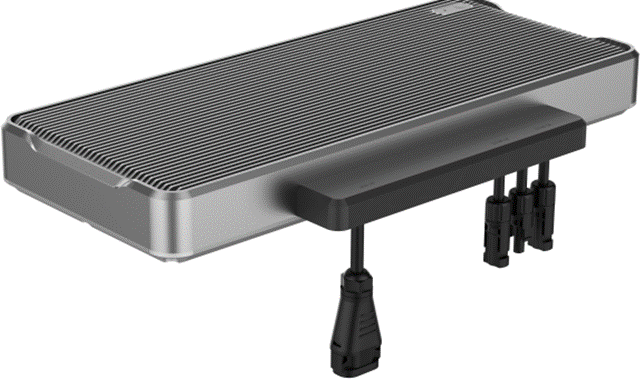
The balcony PV microinverters produced by CNCOB are part of the ES series.
For example, the ES-800 is a dual-module microinverter, meaning it can connect to 2 panels. The ES-2000 is a quad-module microinverter, capable of connecting to 4 panels.
The upcoming storage-compatible balcony PV microinverter, soon to be mass-produced, is called the EX series.(Such as EX2500)
Using the ES-800 as an example, here are a few things you should know.
Thanks to CNCOB's superior microinverter technology:
The microinverter is lightweight (about the weight of two bricks), features fully potted technology for excellent heat dissipation, has a high IP67 protection rating, produces no noise, and is very safe due to its low operating voltage. It can be placed indoors or outdoors without any issues and is compatible with the vast majority of solar panels on the market.
Thanks to the inherent advantages of microinverters:
The two connected panels can be of different models, have different power ratings, and be installed at different angles. The system can even operate with just one panel connected.
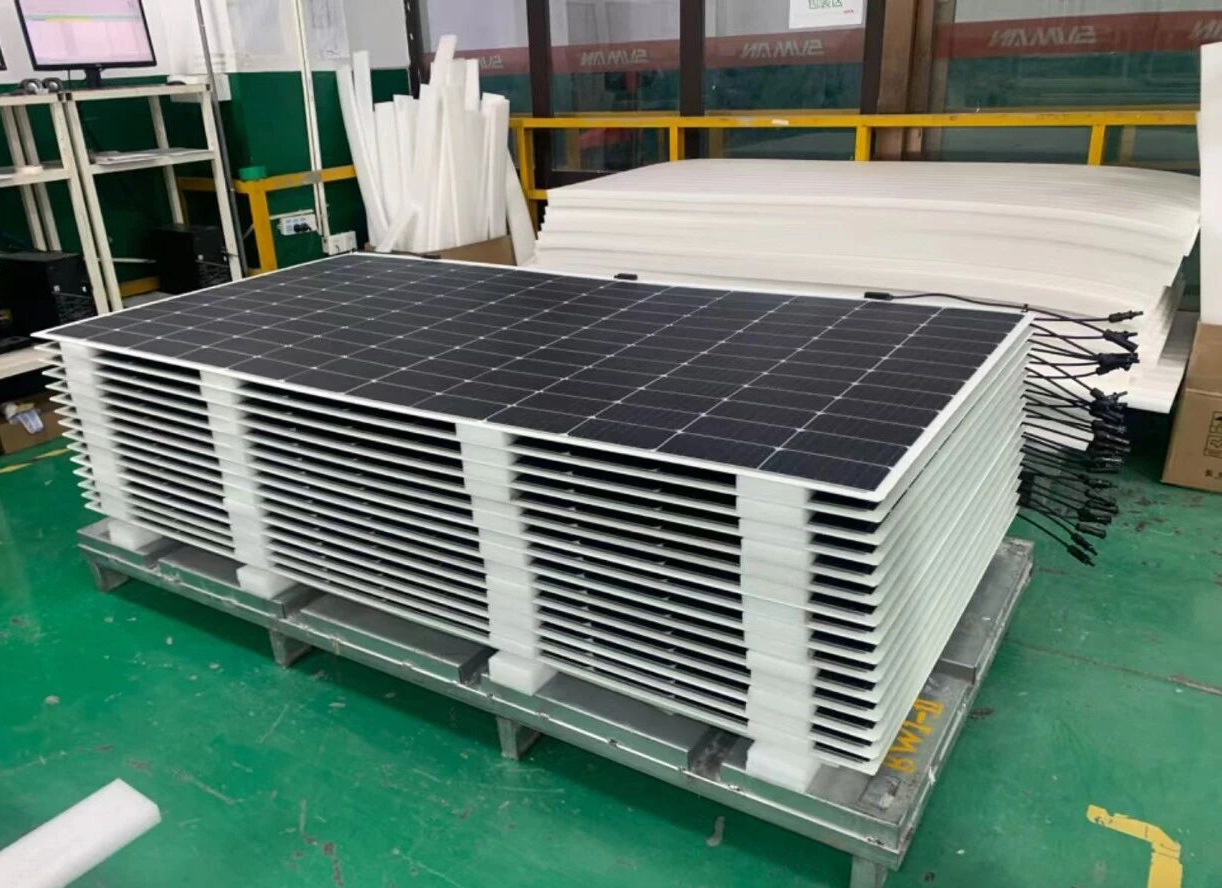
Modules in the PV industry are categorized based on technology, manufacturing processes, applications, and more. We will publish a dedicated article in the future explaining PV modules, which ones are compatible with balcony PV, and which ones we recommend.
For now, as mentioned above, most common modules on the market will work. However, some lightweight and flexible modules (specialty products in the PV industry) are not compatible because their electrical parameters, specifically voltage, do not match the inverter's requirements.
Because a balcony PV system doesn't have to be installed on a balcony (more on this later), and even when it is, the installation methods can vary greatly. For this reason, it's currently hard to make standardized, off-the-shelf mounting brackets for balcony PV systems.
We have found some excellent bracket manufacturers who do offer custom balcony PV brackets, but most are designed for foreign markets. We are actively discussing with them, hoping to develop a set of brackets suitable for the domestic market as soon as possible.
Furthermore, we hope to regionalize the supply of custom brackets by collaborating with local manufacturers to meet specific needs based on different housing types and requirements in various areas.
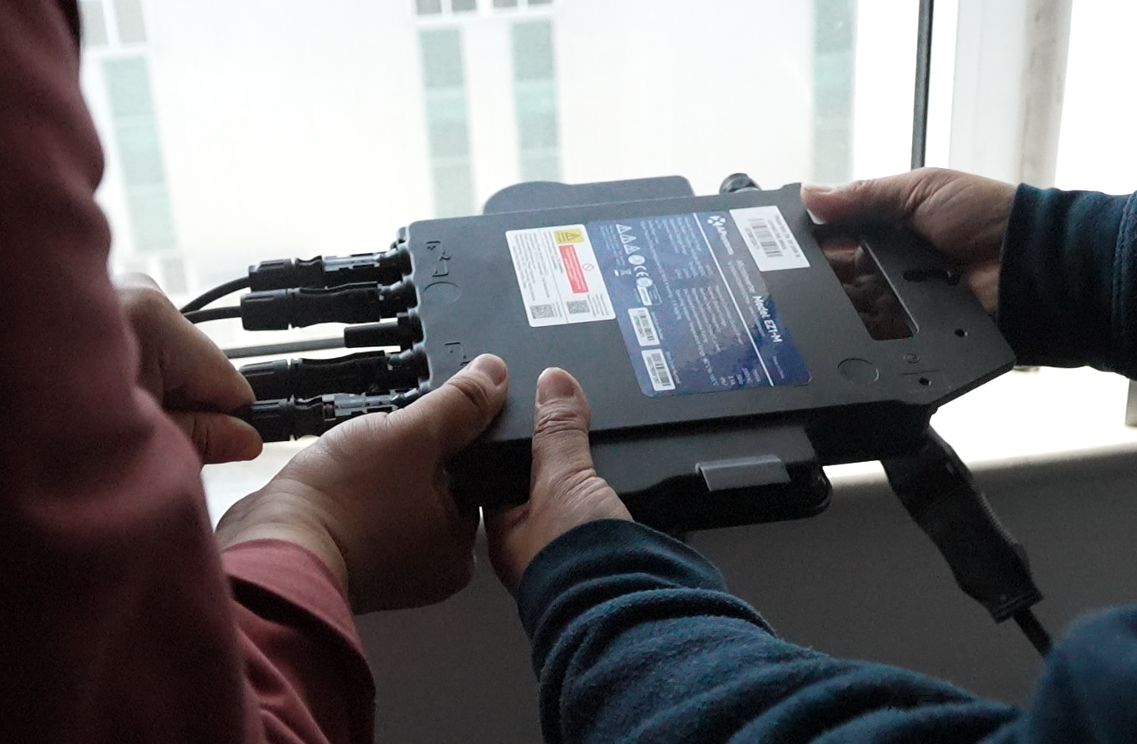
The balcony PV microinverter comes with a pre-made cable that plugs into your wall socket. However, you will still need PV cables and MC4 connectors to link the solar panels to the microinverter.
Using the ES-800 dual-module balcony PV microinverter as an example:
1. Secure the two solar panels in your desired location.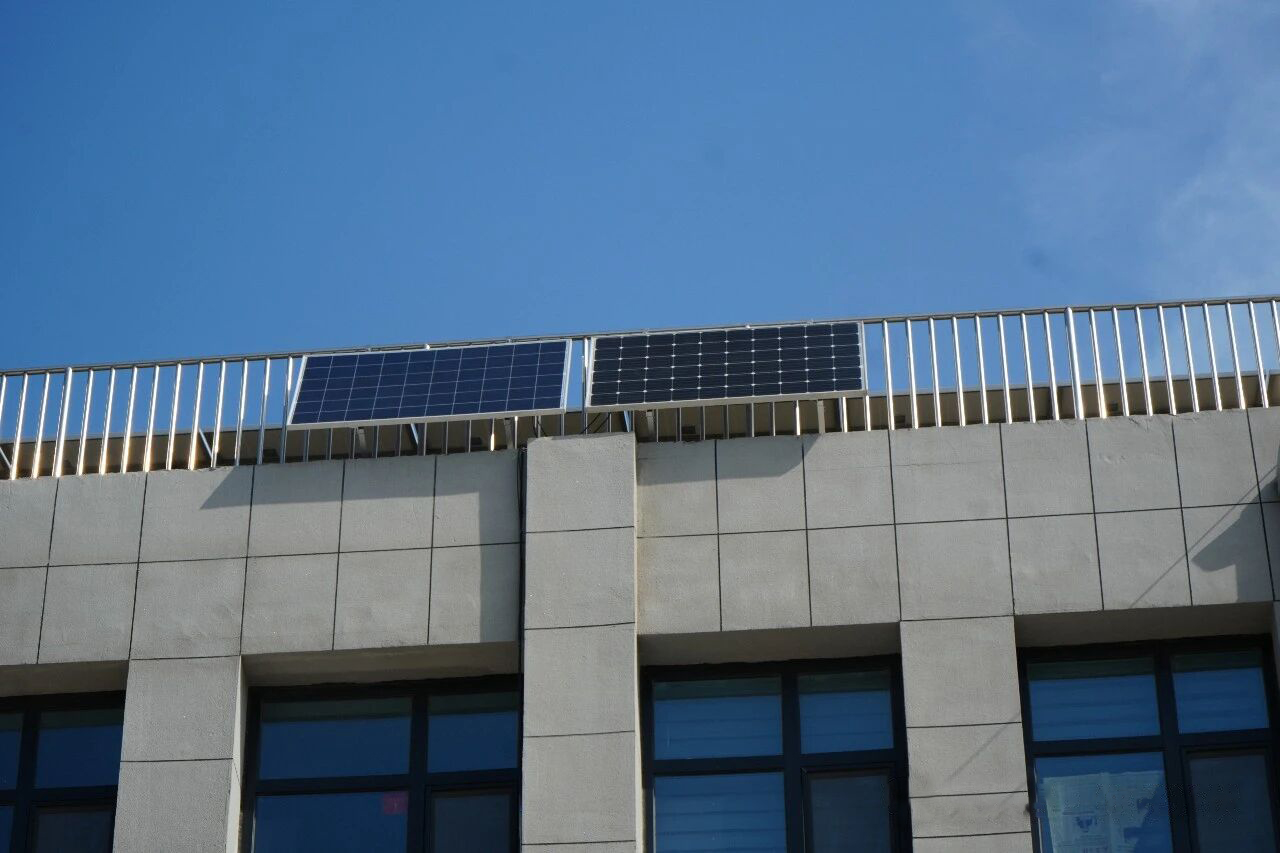
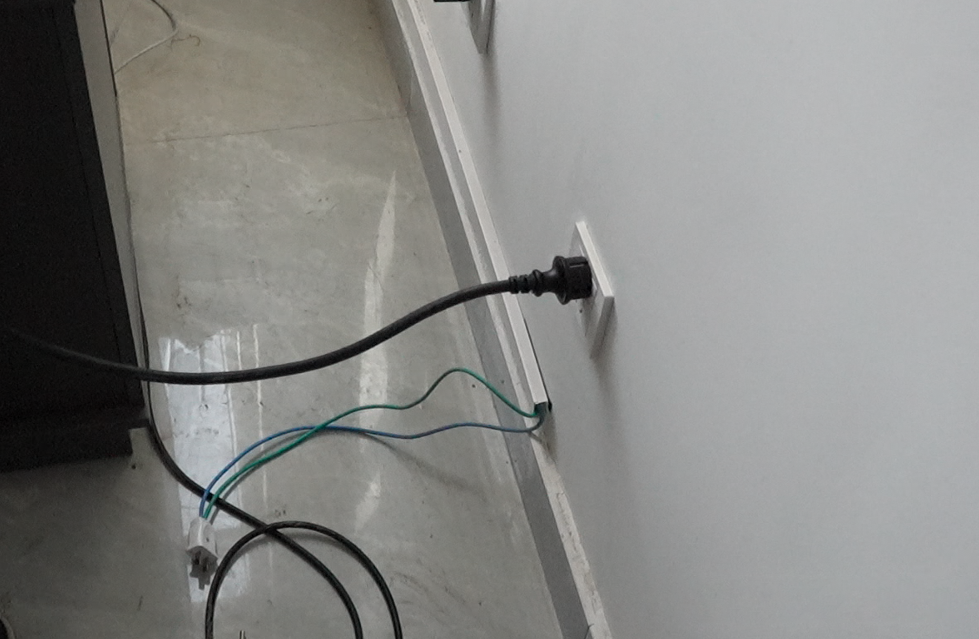
The name "balcony PV" can be limiting for those unfamiliar with the concept. After reading this guide, you should understand that a balcony PV system is simply a small-scale power station made of a few key components. The balcony is a common starting point, but it is by no means the only place to install it.
Many of our customers have gotten creative: some have placed their systems on the grass next to their house, others have leaned them against a wall (no brackets needed), and some have laid them flat on a rooftop.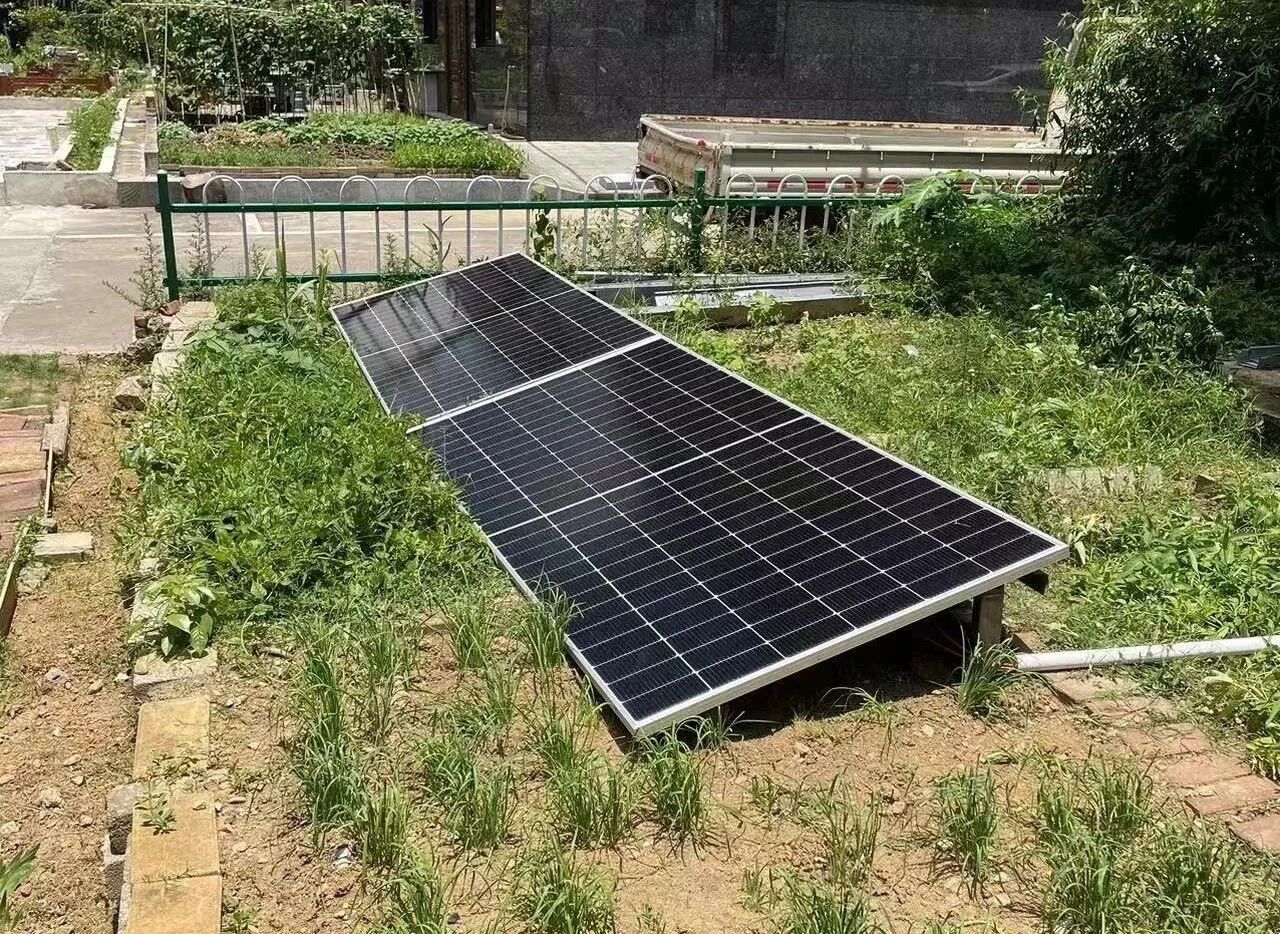
This is why "DIY PV" is a more fitting name. We're telling you this to help you think outside the box. Consider all the possible spots at your home or office. As long as you have space for the panels, you can install the system and generate power. Just remember that you'll get more electricity if the panels are angled correctly and free from shade.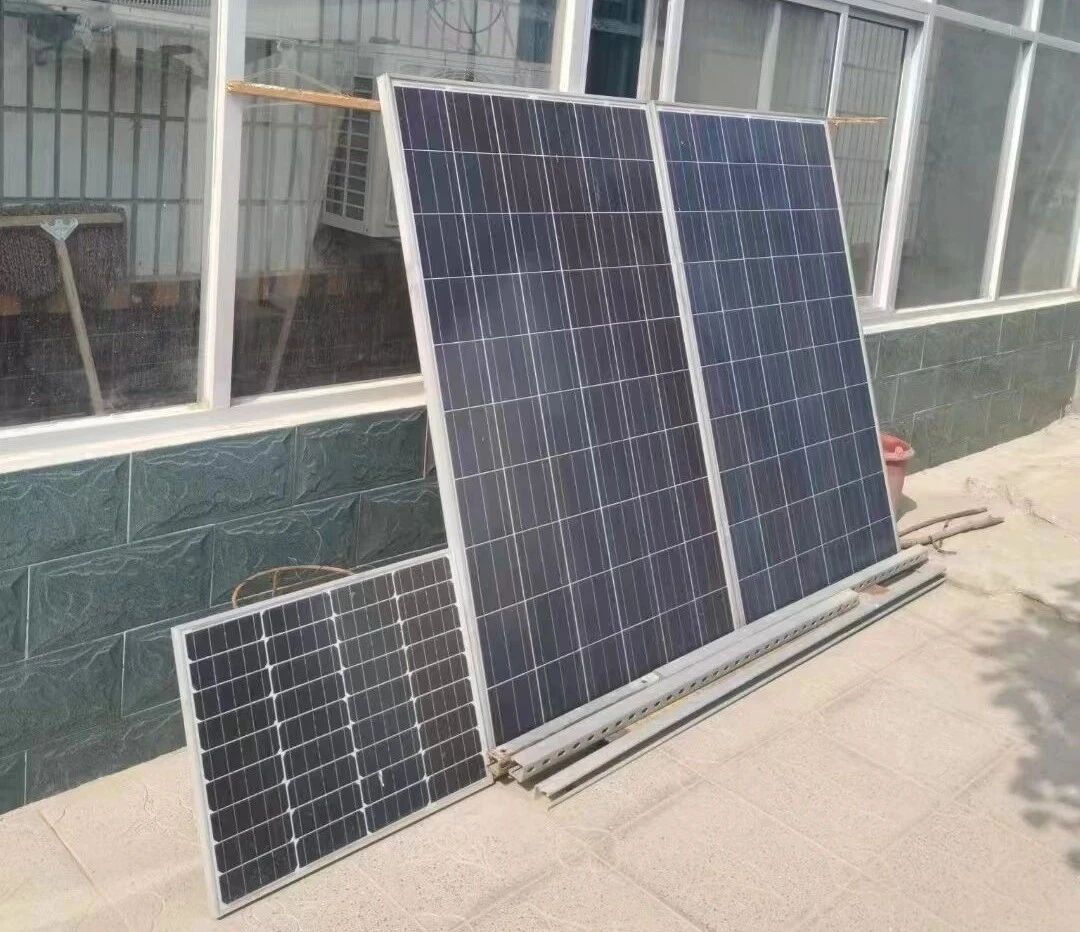
Any grid-tied PV system has a direct connection to the utility grid. When your home draws power from the grid, it's called "importing." When your PV system sends excess power back to the grid, it's called "exporting" or "reverse flow." Preventing your PV system from sending power to the grid is known as "export limiting" or "anti-reverse flow."
Theoretically, if your home's electricity consumption during the day is less than the power generated by the balcony PV system, the excess electricity will be exported to the grid. We currently have methods to prevent this, and more efficient solutions will be available in the future. Besides, a balcony PV system only generates a few kilowatt-hours of electricity per day, so any potential export would be negligible.
In traditional PV power stations, export limiting is achieved by installing a smart meter or device in the grid connection box. This device intelligently controls the system to prevent power from being sent back to the grid. While this is technically possible for our balcony PV systems, the cost is prohibitive. Furthermore, such finely-tuned equipment isn't readily available for small-scale applications. Therefore, using traditional export limiting methods for a balcony PV system isn't feasible.
CNCOB's ES and EX series products use an app called AP Smartlife. After installation, a simple, one-click process connects your microinverter to your phone. The app allows you to monitor all aspects of your balcony PV system's performance.
Crucially, you can manually adjust your system's power output within the app. By lowering the power generation, you can prevent export to the grid. You can also shut the system down entirely through the app, which naturally stops it from generating any power. The video below provides a detailed demonstration.
As mentioned earlier, the key requirement for installing a balcony PV system today is having sufficient daytime electricity consumption. From this perspective, your system theoretically shouldn't have an export issue to begin with. If you know you won't be home to use the power for a few days, you can simply unplug the system or shut it down remotely with the app.
So, to sum up, while exporting power is a potential issue, it's not really a problem in practice.
This refers to the upcoming EX series product from CNCOB, which is slated for mass production.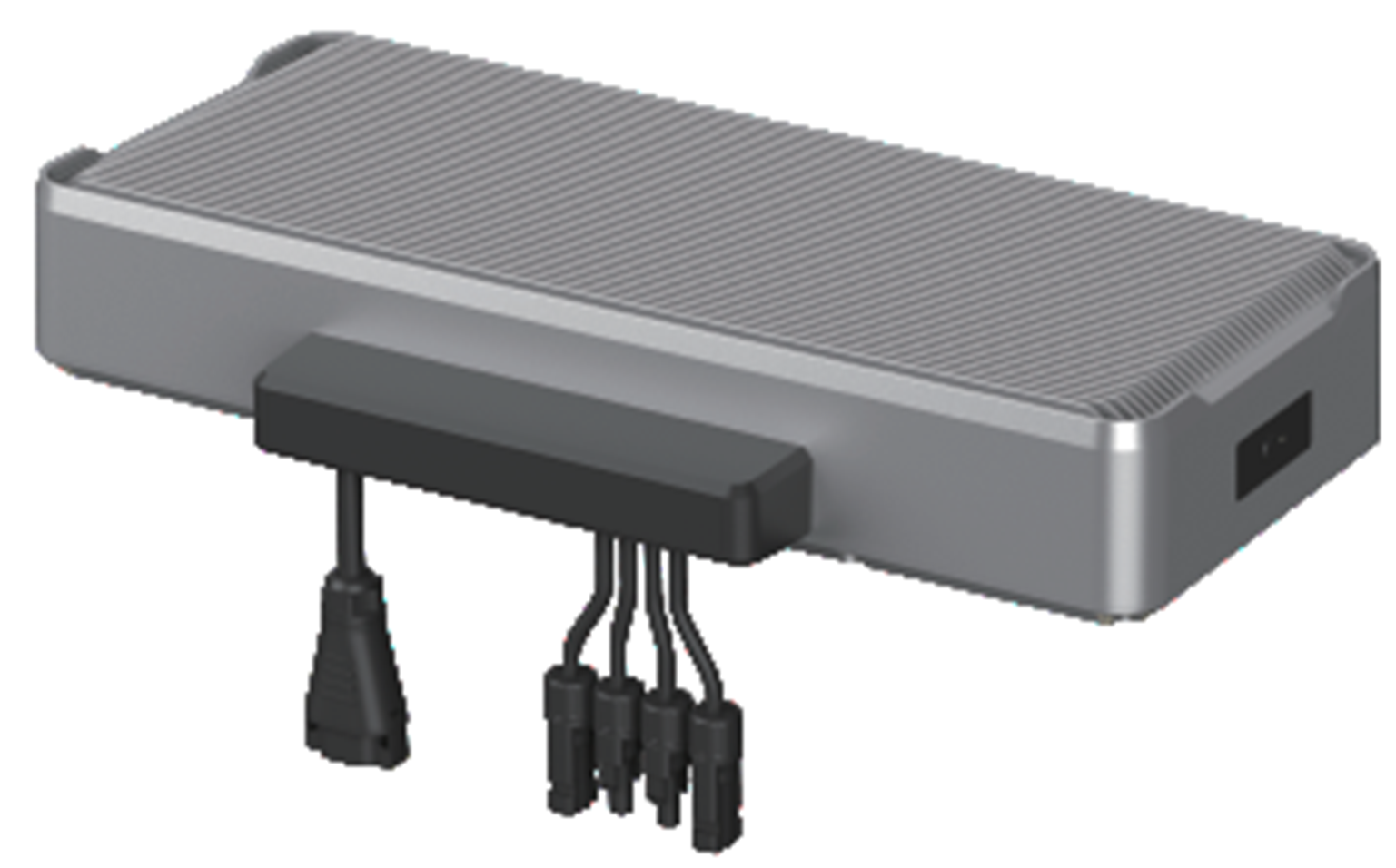
This product can be paired with batteries, allowing you to store the electricity generated by your balcony PV system.
It can also be connected in parallel with existing ES-800 and ES-2000 microinverters, enabling them to store power as well. (We will release a dedicated article with detailed information on this product once it is in mass production.)
Let's use the ES-800 as an example. The inverter costs 200 USD dollars. Adding the cost of two panels, cables, and brackets, the total comes to under $400 (excluding shipping and labor). We'll use $400 for our calculation.
Assuming two common 650-watt panels, the average daily power generation is between 5-7 kWh (at an optimal angle).
Calculated at an electricity price of $0.1/kWh:
5 kWh/day × 365 days = 1,825 kWh (Annual generation)
1,825 kWh × $0.1/kWh = $182.5/year (Annual savings)
$400 ÷ $182.5/year = 2.2 years (Payback period)
The average daily generation of 5 kWh and the electricity price of $0.1 used in this calculation are both conservative estimates.
The microinverter has a 12-year warranty, and today's solar panels are warrantied for 25-30 years. As you can see, this is a worthwhile investment and a great deal for your own home


