Rising Cases of Home Energy Storage Explosions: How to Choose Safer Batteries?
"Not every battery is safe for your home." With the rapid global adoption of residential solar and energy storage systems, safety concerns about home energy storage devices are increasingly making headlines. Starting in 2024, explosions and fires involving residential storage systems have been reported in Australia, Singapore, the U.S., and elsewhere, drawing significant attention from both the industry and consumers.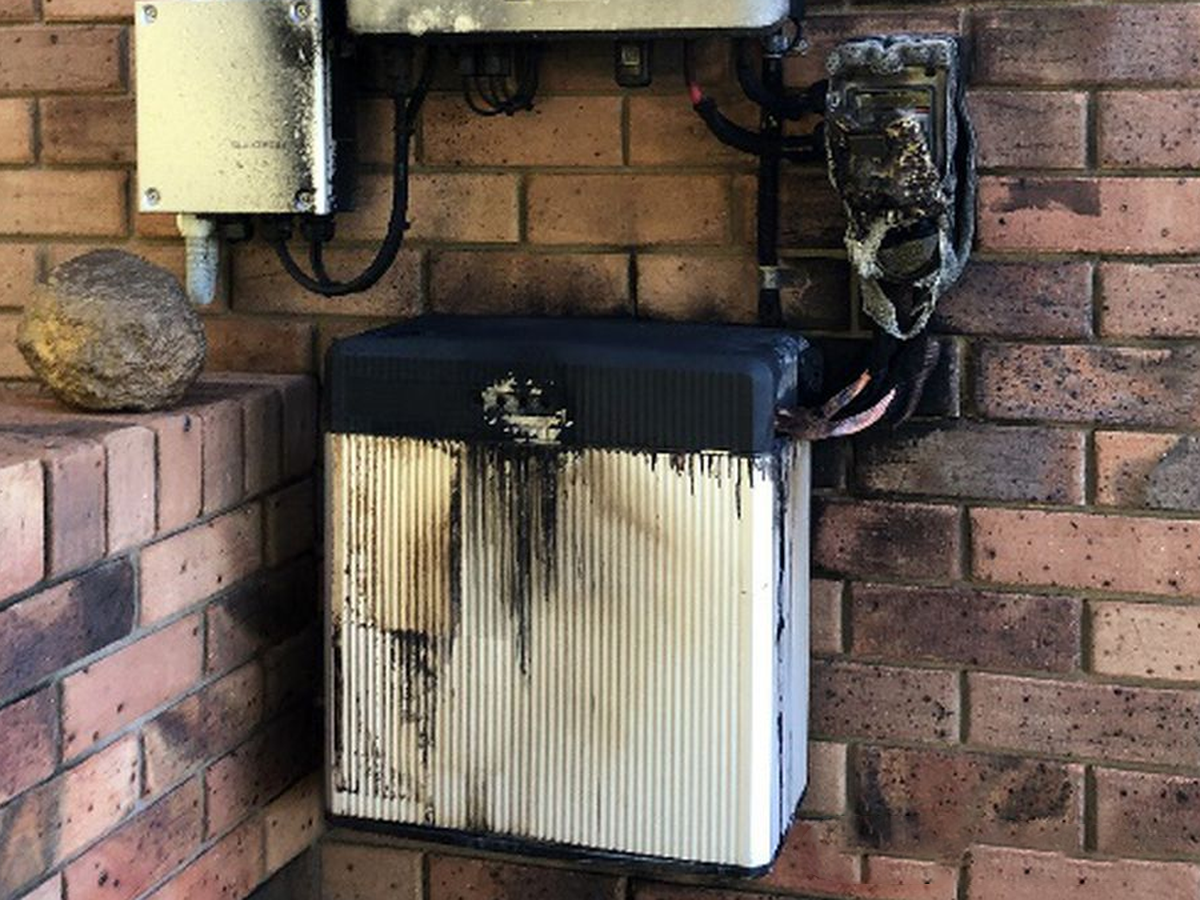
⚠️ Is the battery unsafe, or is it a problem with selection/installation/maintenance?
⚠️ How should homeowners choose energy storage to ensure "fast charging, stable discharge, and no fires"? This article provides a systematic breakdown of:
📌 Collection of photos from residential storage explosions/fires.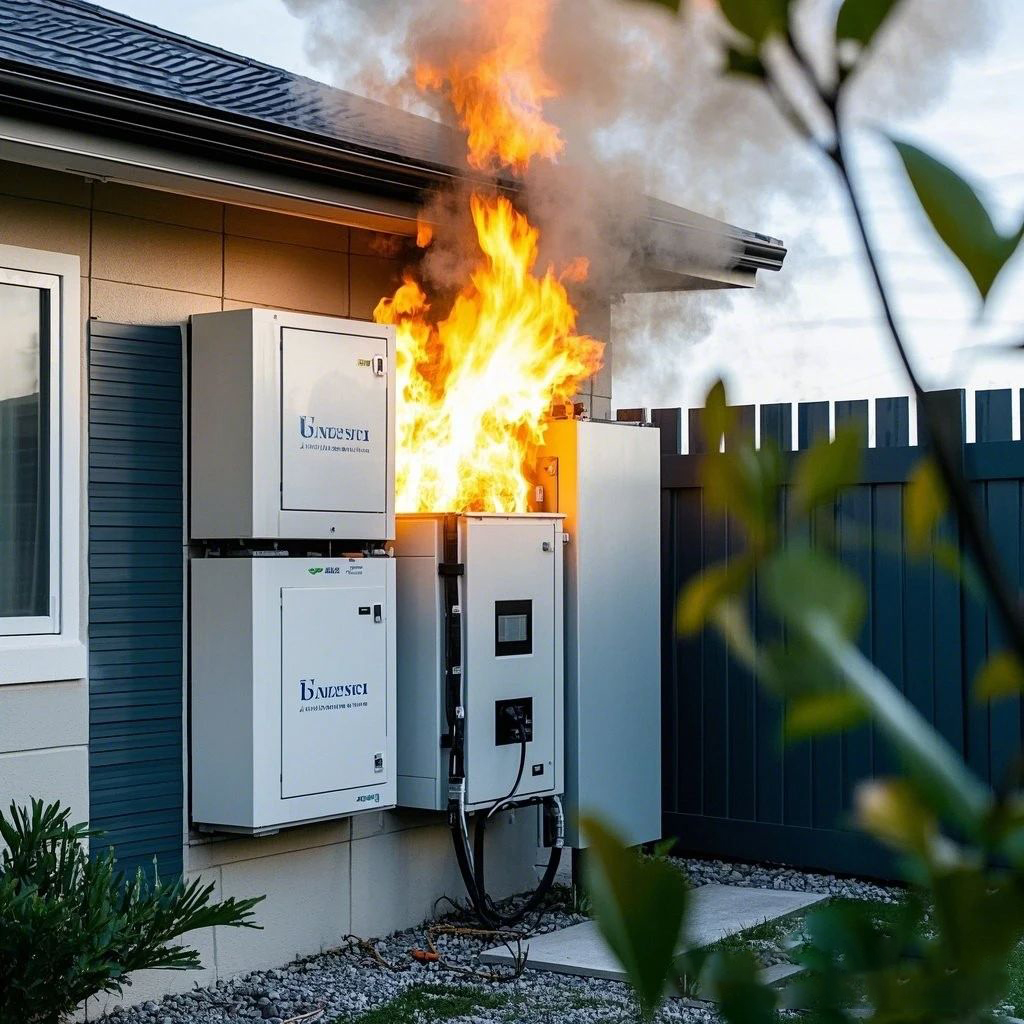
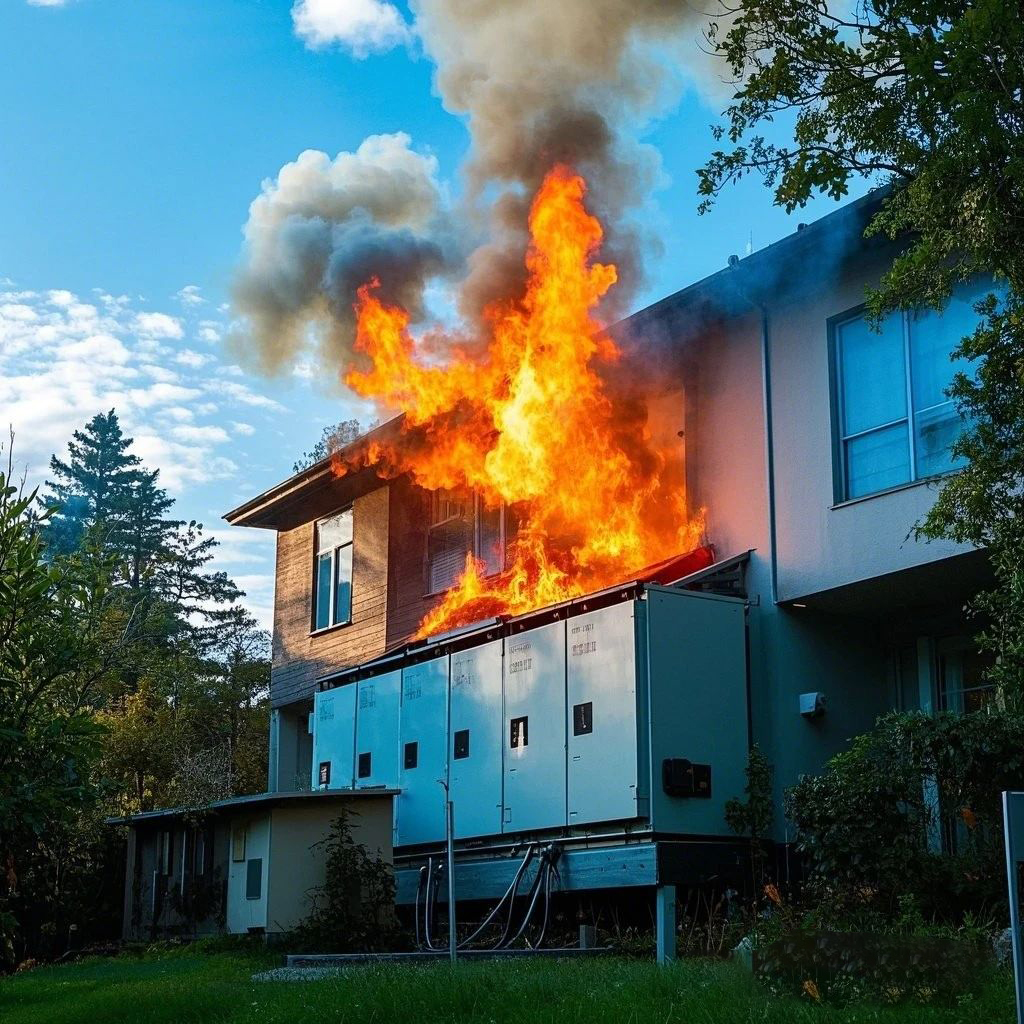
Recent reports indicate that core safety risks in residential storage systems mainly fall into five categories:
Lithium batteries can experience thermal runaway (leading to fires or explosions) due to overcharging, short circuits, punctures, or external high temperatures.
Some low-cost storage products use recycled cells, poorly assembled battery packs, or lack Battery Management System (BMS) protection, making them prone to failure under high loads or temperatures.
Home environments often lack professional electrical design. Issues like batteries placed too close to inverters, inadequate ventilation, or overloaded wiring can become hazards.
Some users opt for NCM (Nickel Cobalt Manganese) or pouch batteries, which offer higher energy density but are far less inherently safe than Lithium Iron Phosphate (LFP).
Low-end products may lack remote fault detection or AI predictive maintenance, leaving no warning signs before failures occur.
| Battery Type | Thermal Runaway Temp | Combustion Risk | Safety Rating (1-5) | Recommended for Homes? |
|---|---|---|---|---|
| NCM/NCA Lithium | ~180°C | High | ⭐⭐ | ❌ No |
| LFP (Lithium Iron Phosphate) | 500°C+ | Very Low | ⭐⭐⭐⭐⭐ | ✅ Yes |
| Sodium-Ion | ~300°C+ | Low | ⭐⭐⭐⭐ | ⚠️ Hold off (best for cold climates) |
| Flow Battery | No thermal runaway | Very Low | ⭐⭐⭐⭐⭐ | ⚠️ High cost, not ideal yet |
A condition where a battery loses temperature control due to overheating or self-heating, leading to uncontrolled chemical reactions and eventual combustion.
offering superior thermal stability, cycle life, and safety compared to NCM alternatives, along with better cost control and industry maturity.
📌 Home Storage Safety Checklist (Fire-resistant casing, cell certification, BMS, remote monitoring, brand reputation)
Verify compliance with core safety standards like IEC 62619, UL 1973, or GB/T 36276.
China’s 2024 regulation: Residential storage must meet T/CNEA 0188-2023 Technical Safety Code.
Despite NCM’s energy density, it’s unsuitable for "small spaces + heat + confined areas."
The BMS must include:
Individual cell monitoring
Automatic shutdown for overheating/overvoltage
Multiple alert systems (local + app notifications)
Look for smoke detection, fire suppression, and grid-disconnect features.
📌 Leading products such as Huawei LUNA2000, BYD HVC, and CNCOB EM series already support these.
Avoid "sell-only" vendors. Use licensed installers with storage experience and retain inspection records.
📌 Residential Storage Safety Rules in Key Markets
| Country/Region | Safety Certifications | Fire Requirements | User Monitoring | Status |
|---|---|---|---|---|
| China | GB/T 36276, T/CNEA0188 | Fire suppression (ground systems) | Optional | Local enforcement |
| U.S. (California) | UL 9540A + NFPA 855 | Mandatory | Mandatory | Enforced |
| Japan | JIS C8715-2 | Building spacing rules | Visual alerts | Enforced |
| Germany | VDE-AR-E2510-50 | Recommended modules | Recommended | Self-regulated |
✅ Safety isn’t optional; it’s the foundation of storage systems.
✅ LFP is the safest, most mature tech for homes.
✅ When buying, prioritize "safety core" over capacity, price, or features.
📢 Poll: What’s in your home storage system? What safety feature matters most? Tell us in the comments!


