
Introduction:
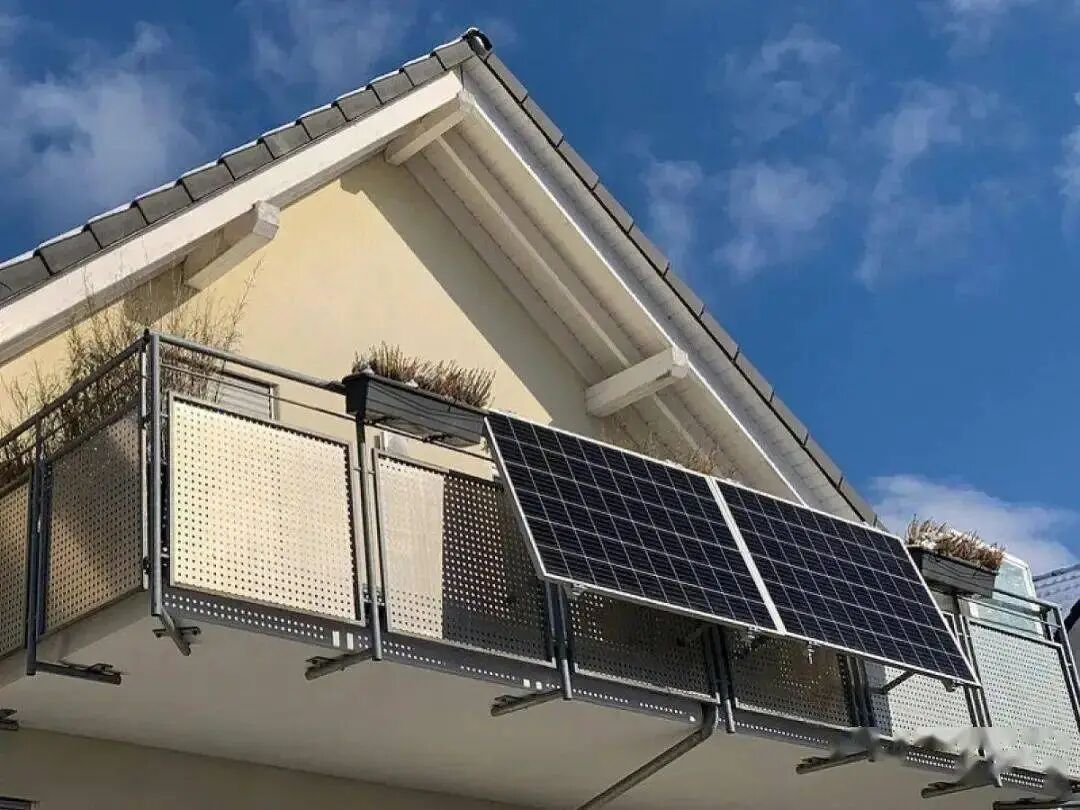
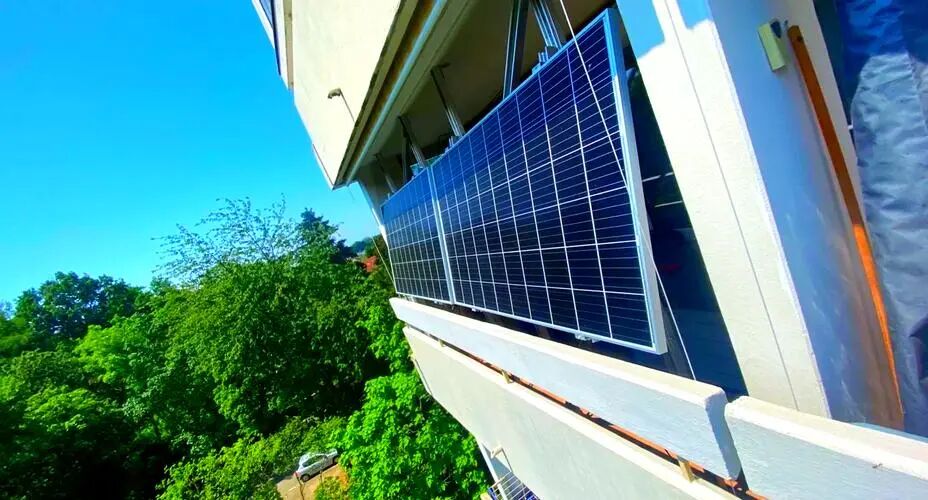
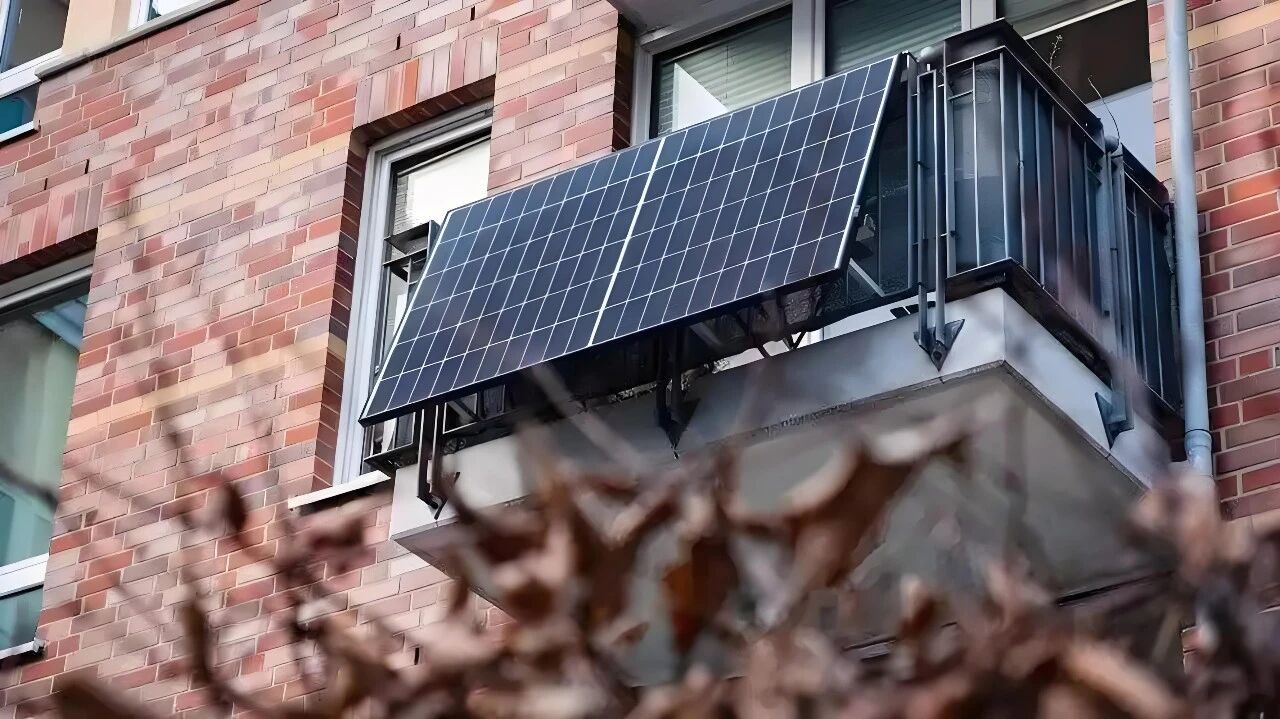
Balcony photovoltaics refers to a distributed energy solution where small photovoltaic power generation systems are installed on balconies or building facades. Germany is a pioneer in this field but is currently on the verge of becoming a cautionary tale. In this issue, we offer a comprehensive look at the past and present of German balcony photovoltaics and explore its future trajectory.
01 German Energy Landscape
According to data released on March 12 by the German Federal Statistical Office this year, renewable energy power generation increased by 2.3% year-on-year, accounting for 59.4% of the total power generation, far exceeding the EU average of 47.4%. Of this total, wind energy contributed the most, accounting for 31.5%, and remains the primary energy source. Photovoltaic power generation reached 59.5 billion kilowatt-hours, surging by 10.4% year-on-year, accounting for 13.8%. Hydropower generation increased by 10.3%, reaching 20.4 billion kilowatt-hours, accounting for 4.7%.
As for traditional energy sources, power generation from coal, natural gas, etc., decreased by 11% year-on-year, with their share shrinking to 40.6%. Coal power generation fell to 97.2 billion kilowatt-hours, a 16% year-on-year decrease, accounting for 22.5%, reaching a historic low. Although natural gas power generation increased by 4.6% year-on-year to 64.1 billion kilowatt-hours, it only accounted for 14.9% of the total power generation.

02 Evolution of Balcony Photovoltaic Policies
In 2022, Mecklenburg-Vorpommern launched a €10 million subsidy program to kickstart the market, providing a maximum subsidy of 500 Euros per household for systems below 600W, directly reducing equipment costs to 30%-40% of the market price.
In 2023, the VDE technical standard raised the power limit to 800W. The legalization of Schuko plugs simplified the installation process, shifting it from requiring professional electricians to a user self-service model, and the removal of technical barriers boosted market penetration by 27%.
The policy reforms in 2024 were even more transformative: the grid operator registration step was abolished, reducing the administrative process from 14 days to 2 hours. The "Tenant Energy Rights Act" prohibited landlords from obstructing installations, leading to a 42% surge in installed capacity in apartment buildings in a single quarter.
In 2025, a policy granting full VAT exemption for systems under 30kW took effect, further reducing equipment retail prices by 19%. This combination of policies reshaped the rules for ownership and allocation in distributed energy, transforming balcony photovoltaics from a technical product into a mass consumer good.
03 Technical Standard Changes Trigger Market Share Shifts
The technical standard enabling direct grid connection via Schuko plugs caused traditional
grid-tied inverter manufacturers to lose market share: shipments of products for balcony photovoltaics from companies like Huawei and SMA decreased by 41%. Growatt and Deye saw their market share soar to 67% with their plug-and-play solutions compatible with Schuko interfaces. The increase in the power limit to 800W triggered a diversification in module technology approaches: 182mm single-sided modules, due to their size suitability for balcony installation scenarios, commanded a premium of 8%-12% over 210mm products. First Solar capitalized on its lightweight advantage to capture the apartment market, achieving a 34% market share in Berlin.
The rapid iteration of technical standards and product forms triggered a supply chain restructuring: after profit margins for local German installation service providers were squeezed by supermarket channels, they shifted towards high-value-added areas such as energy storage system integration. In 2024, the installation volume of energy storage systems paired with balcony photovoltaics surged by 173% year-on-year, and Tesla Powerwall's market share in this niche segment exceeded 51%.
04 Grid Cost Shifting + Regulatory Lag
The exponential growth in installed capacity exposed deep flaws in Germany's distribution grid. In 2024, the total installed capacity of balcony photovoltaics exceeded 1.2GW, leading to a 37% year-on-year increase in localized reverse power flow overloads in low-voltage grids. The average daily frequency of voltage fluctuations in cities like Berlin and Munich climbed from 1.2 times to 4.7 times.
Grid operators were forced to make additional investments: E.ON's deployment of smart meters and dynamic topology control systems in Bavaria incurred a per-household modification cost of 234 Euros. This cost was ultimately passed on to users through electricity surcharges, offsetting 19% of the policy subsidy benefits.
Regulatory frameworks lagged, which was particularly evident in technical standards: the current VDE-AR-N 4105 standard sets a harmonic distortion rate threshold of 3% for systems above 800W; however, third-party tests showed that 31% of Schuko-interface devices on the market had actual distortion rates of 5.2%-7.8%, potentially causing malfunctions in relay protection devices. Although the Federal Network Agency initiated standard revisions, the legislative cycle and market expansion speed created a 12-18 month time lag, continuously expanding systemic risks.
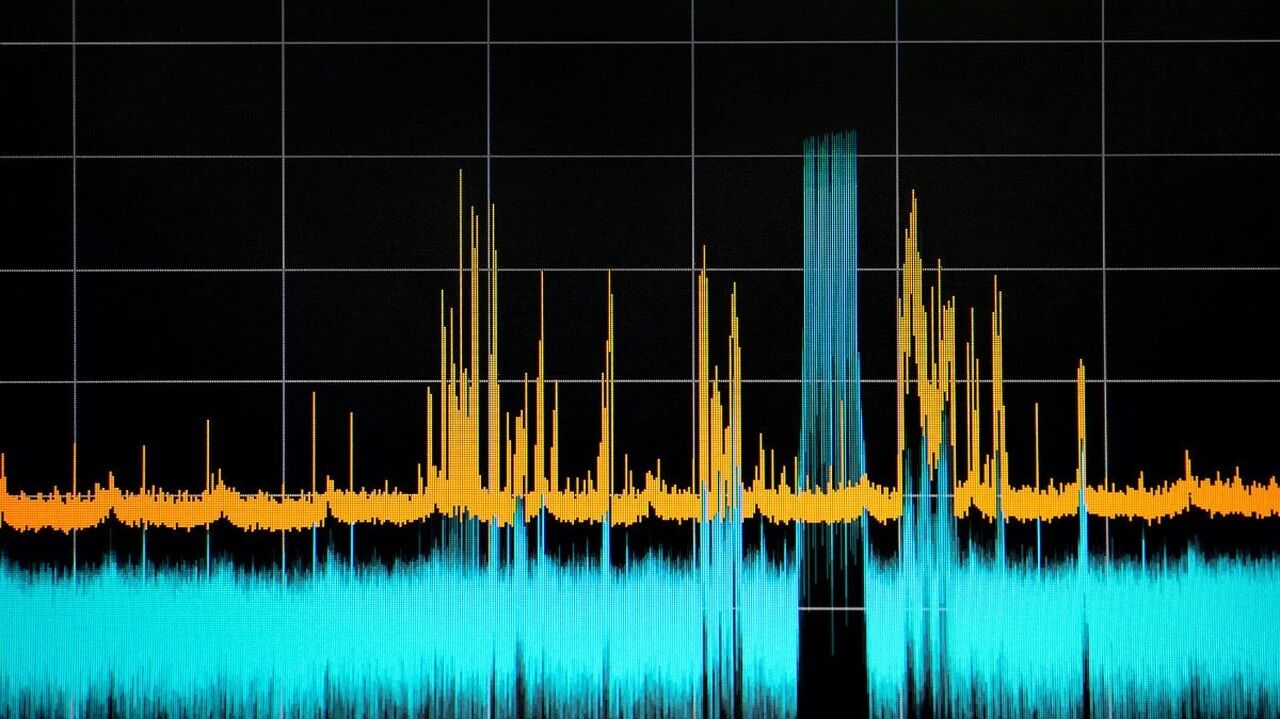
Harmonic distortion causes a sharp drop in power quality.
05 The Importance of Niche
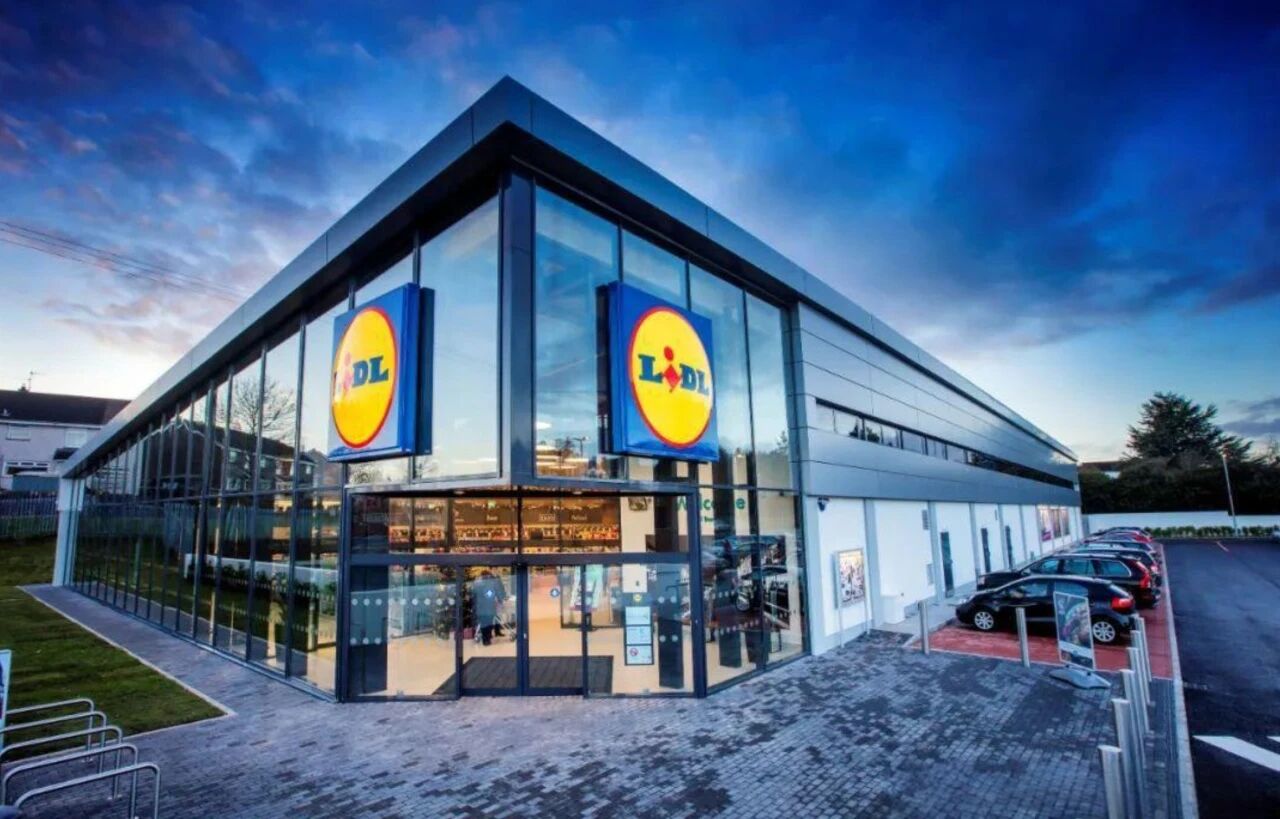
The core investment value of the German balcony photovoltaic market lies in establishing a foothold in distributed energy systems. Supermarket channels such as Aldi and Lidl have educated the market, with annual sales of 600W standardized kits exceeding 230,000 units. Their supply chain management capabilities have formed a moat: the combination of Southeast Asian
solar panels and domestic inverters reduced production costs to 378 Euros per set, a 41% reduction compared to traditional channels.
The ancillary energy storage market is experiencing explosive growth: the penetration rate of 5-10kWh energy storage systems increased from 17% in 2023 to 43% in 2024, and user demand for self-consumption rates jumped from 51% to 68%. Risks are primarily centered on the slow pace of grid upgrades: a dedicated fund for distribution grid upgrades has not yet been established, and under the existing policy framework, the pressure on operators to pass on costs will continue to erode end-user benefits.
Supermarket Channels: Seizing the Opportunity

06 Actual Case Calculation – Hidden Concerns for 2025
Basic configuration: A mainstream 800W solar panel + 5kWh energy storage system has an initial investment of 3000 Euros. Nominal annual power generation is 720 kWh. However, due to winter power generation being cut in half and energy storage efficiency losses, the usable electricity is only 520 kWh. Annual electricity savings are 208 Euros, and the theoretical payback period is 14.4 years. The "5-year myth" touted by manufacturers is actually misleading data, by deliberately excluding hidden costs such as balcony reinforcement (300-800 Euros), dynamic controllers (300 Euros), and fire safety registration (150 Euros). The actual payback period is generally extended by more than 40%.
75% of users added 5kWh batteries, but the average daily charge-discharge efficiency is only 92%, with an annual degradation of 4%. When the capacity drops to 70% in the sixth year, a replacement fee of 1200 Euros is required. Actual measurements in Berlin show that energy storage systems actually improve self-consumption by less than 18%, yet they cause total costs to surge by 233%, pushing the true payback period beyond 15 years.
Furthermore, Germany's abolition of VAT exemptions in 2025 will push system costs up by 19%. In 2026, the EU module recycling law will add a 200 Euro/set disposal cost. The Munich local government's sudden enforcement of new fire safety regulations, mandating the installation of insulation layers, caused costs to skyrocket by 25%, directly breaching the economic model's break-even point. After the current subsidy policy expires at the end of 2025, the payback period will be extended by another 2-3 years.
With an average of 900 hours of sunshine annually, winter power generation is less than 30% of summer's. Energy storage systems offer no cross-seasonal peak-shaving capability, leading to equipment utilization rates below 15% from November to February. The intelligent prediction algorithms touted by manufacturers have an error rate of 35%, which in turn exacerbates battery degradation risks. When the true system cost exceeds 4000 Euros and the payback period crosses the 8-year threshold, 90% of households will choose to abandon it.
Implications
- Germany's experience validates the feasibility of distributed photovoltaics in high-electricity-price economies. However, while the Schuko plug standard has become a technical specification under the EU EN 62109-1:2024 framework, insufficient grid stability in Asian countries could trigger larger-scale harmonic pollution. Germany, in fact, is also barely managing.
- Tax breaks can stimulate the market, but they are unsustainable: the 500 Euro per household subsidy in Mecklenburg-Vorpommern has already consumed 3.2% of the annual fiscal budget, making it difficult for developing countries to replicate sustainably. It can be seen that after Document No. 136, there will be no more government-level subsidies; costs will only be distributed to society as a whole through grid charges. Mecklenburg-Vorpommern is also jokingly referred to as the "No-Money State" (a pun on its Chinese name, which sounds like 'no money').

- The plug-and-play model has transformed PV installation from an engineering task into a consumer activity, representing a new approach. Investment institutions should focus on identifying manufacturers with modular design capabilities, whose product compatibility can quickly adapt to different market standards. The 800W system cost model validated in Germany is already suitable for replication in Central and Eastern European countries such as Poland and the Czech Republic.

