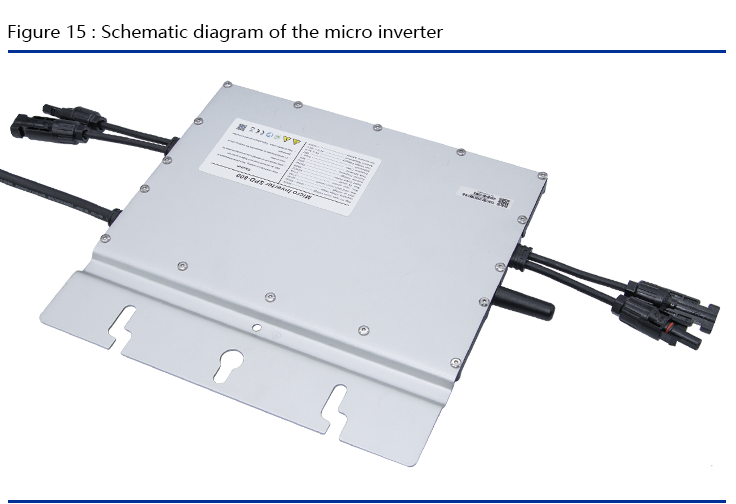
Photovoltaic inverters can be primarily categorized into four types: centralized inverters, string inverters, decentralized inverters, and micro inverters. Centralized inverters, which have a large total system power, are mainly used in large-scale projects like ground-mounted photovoltaic power stations in areas with good sunlight conditions. Distributed inverters include string inverters and micro inverters, which are commonly used in small to medium-sized commercial, industrial, and residential photovoltaic systems, with string inverters being the predominant type. Decentralized inverters combine the characteristics of both centralized and string inverters and have been applied to a certain extent in projects such as those in mountainous regions. Micro inverters perform maximum power peak tracking (MPPT) for each photovoltaic module individually, then invert and integrate into the AC grid, with a single capacity typically below 1kW.
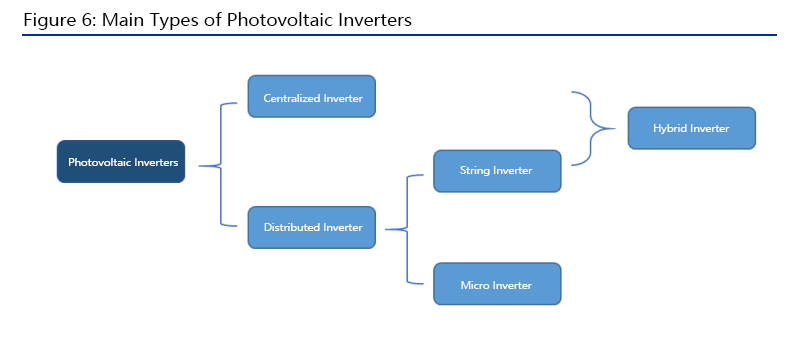
1. Centralized Inverters
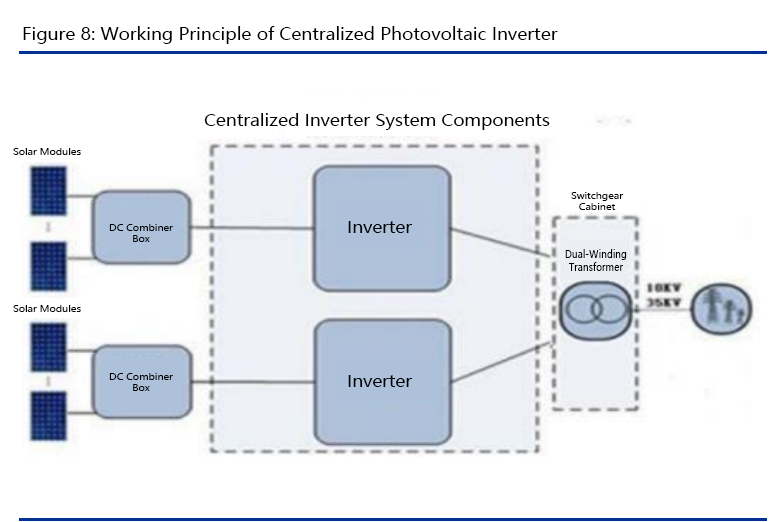
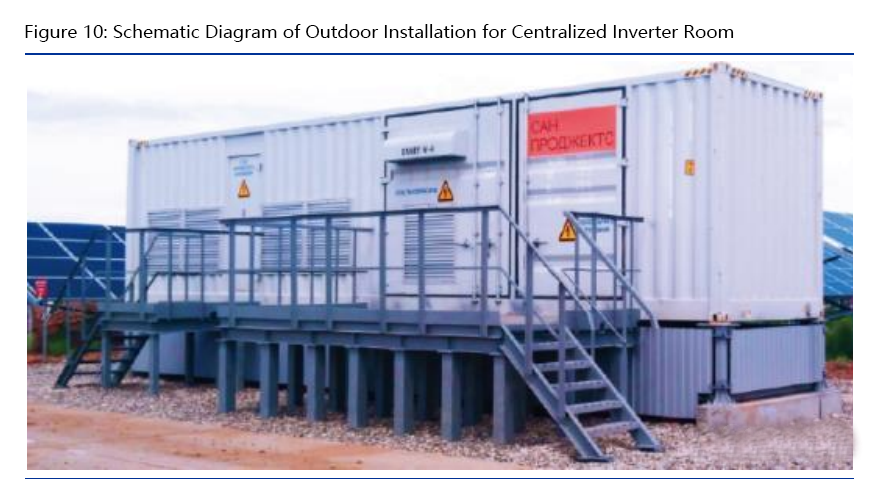
Centralized inverters connect a large number of photovoltaic strings, with a single capacity usually exceeding 500KW. Centralized inverters are a common type of photovoltaic inverter in the market, whose working principle involves collecting and performing MPPT on the DC current generated by multiple photovoltaic modules, then centrally inverting for DC to AC conversion and voltage boosting, thereby achieving grid-connected power generation. Centralized inverters typically use a single MPPT, each connected to 2-12 groups of photovoltaic strings. Each MPPT can handle power ranging from 125 to 1000KW, with a single capacity usually exceeding 500KW, providing the benefits of high power and large capacity.
Centralized inverters can reduce the number of units used, lower system costs and losses, and facilitate centralized management. Due to the large capacity advantage of centralized inverters, photovoltaic power stations of the same scale using centralized inverters can significantly reduce the number of inverters used, reduce the overall circuit loss of the system, and facilitate centralized installation and management. At the same time, centralized inverters themselves have a high degree of integration, simple control, relatively mature technology, and low unit cost. The combination of these factors can greatly reduce the equipment cost of the power station system.
String inverters adopt a modular design, enabling distributed MPPT optimization. Power station systems using string photovoltaic inverters usually convert the DC current generated by the components into AC through the inverter, then integrate into the AC grid after collection, voltage boosting, and AC distribution. Compared with centralized inverters, string inverters adopt a modular design with multiple MPPTs; each MPPT connects to a small number of photovoltaic components, usually 1-4 groups, enabling distributed MPPT optimization. Due to the small number of connections, when a single component fails, it only affects the power generation of the module corresponding to that component, ensuring that the overall power generation efficiency of the photovoltaic system is not affected by a single component, solving the mismatch problem of centralized photovoltaic power stations.
The wide MPPT voltage range of string inverters enhances the system's power generation duration and output.The MPPT voltage range of string inverters is wide, usually 200V-1000V, with good adjustability. In conditions of insufficient light or unfavorable weather for power generation, the overall voltage of photovoltaic components will be low, and the wide MPPT voltage range can cover low input voltage, thereby ensuring the system's power generation time and improving the overall power generation.
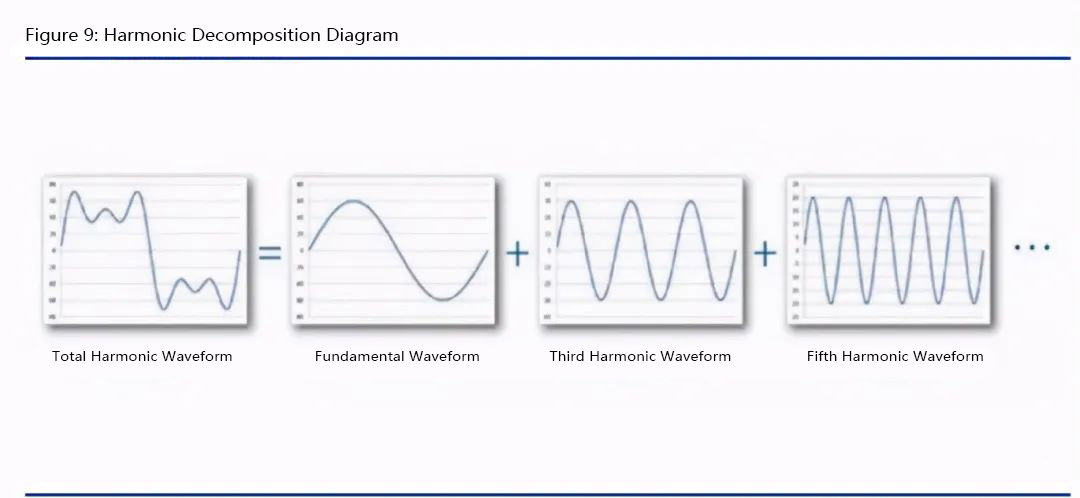
Connecting multiple inverters in parallel increases wire losses and is prone to resonance problems. Compared with centralized inverters, string inverters have a small single capacity, usually 100KW and below; building a photovoltaic power station of the same scale, choosing to use string inverters will increase the number of inverters. Multiple string inverters will be connected in parallel, and the wire loss increases with the number of inverters used. At the same time, the parallel connection of multiple inverters will lead to an increase in total harmonics, making suppression more difficult, resonance problems more serious, and easily causing electrical equipment failure and burnout.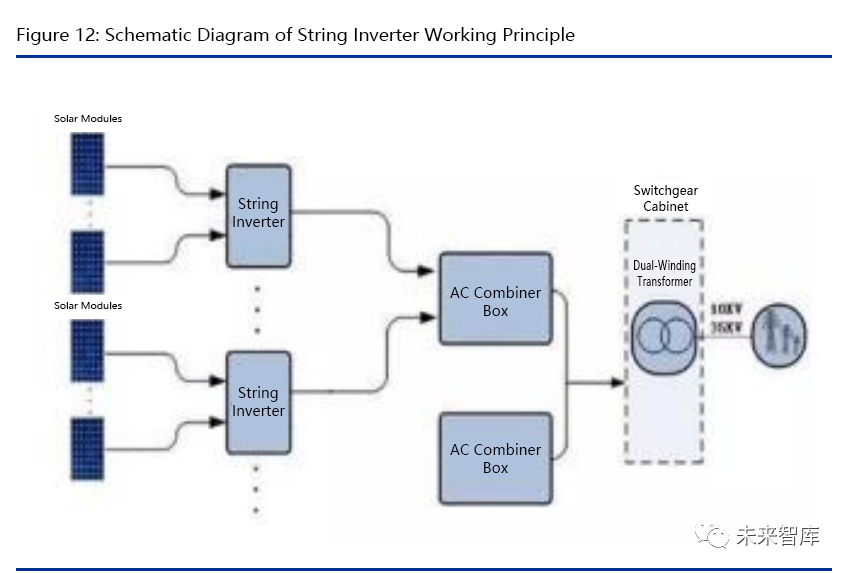
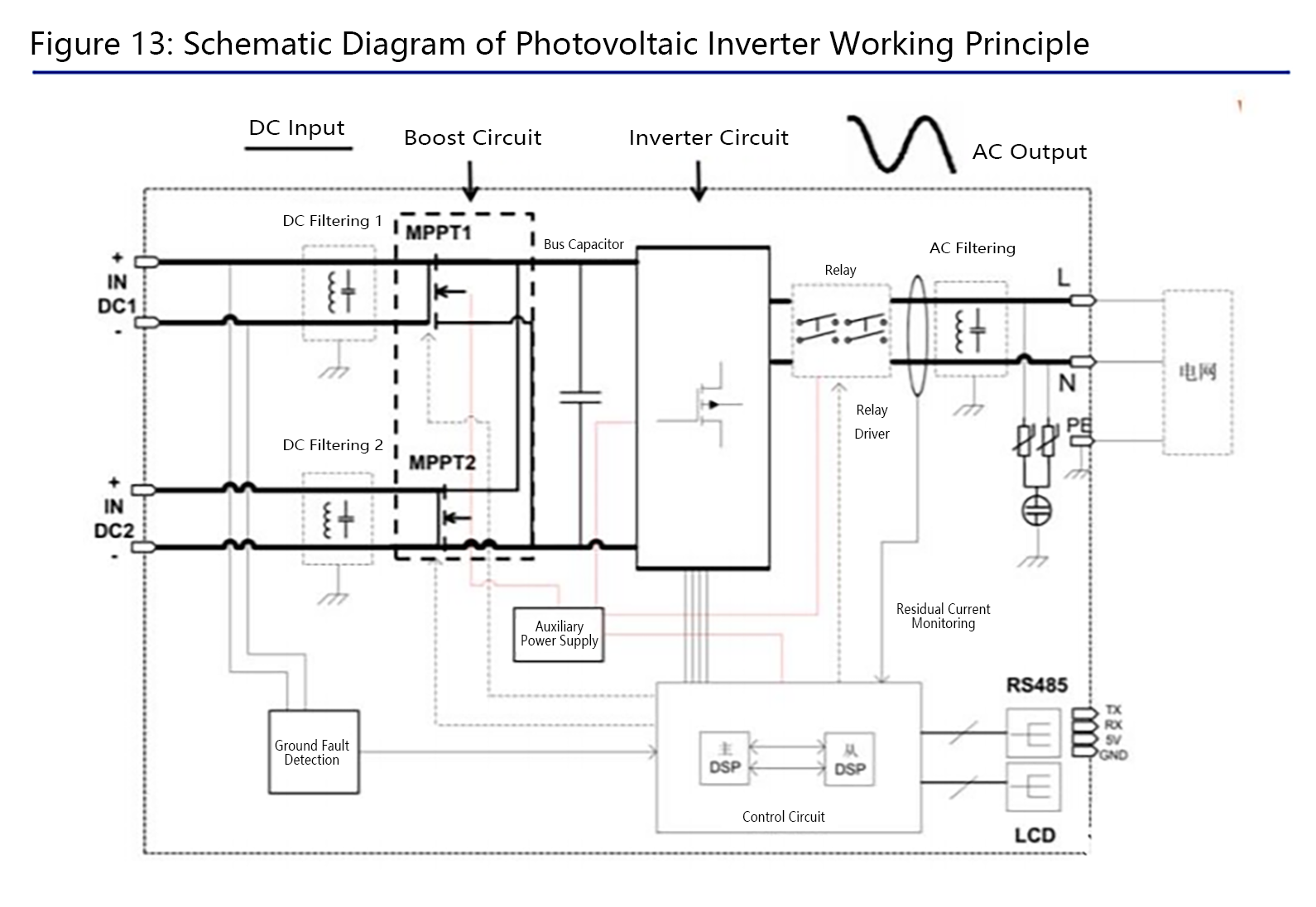
Decentralized inverters are a relatively new type of photovoltaic inverter, combining the characteristics of centralized and string inverters. Decentralized inverters can be understood as centralized inversion and distributed optimization, first performing MPPT separately through multiple string inverters, then collecting and centrally inverting into AC for grid connection. Compared with centralized inverters, Decentralized inverters have the advantages of excellent independent performance, high power generation, and overall system stability; compared with string inverters, Decentralized inverters adopt centralized inversion after distributed optimization, greatly reducing the equipment cost of the system, and are currently mainly used in some domestic leader demonstration base projects. Due to the relatively recent development of decentralized inverter solutions, there is limited project experience, and large-scale adoption has not yet been achieved; at the same time, due to the use of centralized inversion, this solution requires the use of special rooms for heat dissipation of centralized inverters, increasing the system's land use area.
Micro inverters can perform MPPT control on individual components, with high power generation efficiency and output. Unlike other inverters, micro inverters are integrated with each photovoltaic component, allowing for MPPT control on a single component, thereby significantly improving the overall power generation efficiency and output of the system. Micro inverters are compact and lightweight, requiring no additional space for placement, which greatly simplifies installation. They are mainly suitable for residential and small to medium-sized power station projects. For power stations of the same capacity, using micro inverters requires more units, and the total system cost is significantly higher than systems using centralized or string inverter solutions.