1. Definition Of Power Conversion System
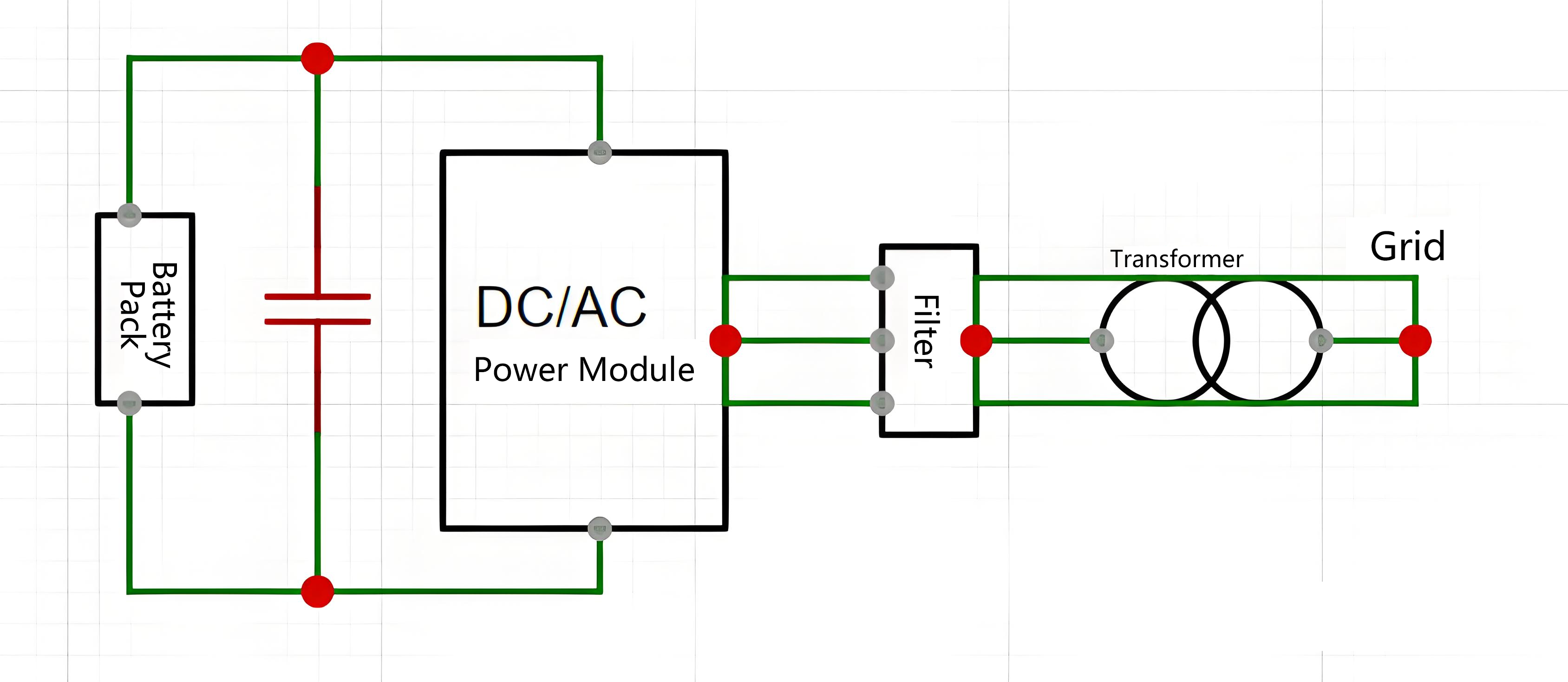
Power conversion system is one of the core pieces of equipment in an energy storage system, primarily used to convert direct current (DC) from storage devices (like batteries) into alternating current (AC) to power electrical loads or, conversely, to convert AC from the grid into DC to charge the storage devices. It plays a pivotal role in energy conversion, management, and control within energy storage systems and is widely used in renewable energy generation, grid peak shaving (reducing demand during high-usage periods), residential energy storage, and commercial/industrial energy storage.
1.1. Core Functions of Power Conversion System
1.1.1 Bidirectional Power Conversion
- DC→AC (Discharge Mode): Converts DC from storage batteries into AC for use by households, businesses, or the grid.
- AC→DC (Charge Mode): Converts AC from the grid or renewable sources (like solar PV) into DC to charge batteries.
1.1.2 Grid-Tied and Off-Grid Operation
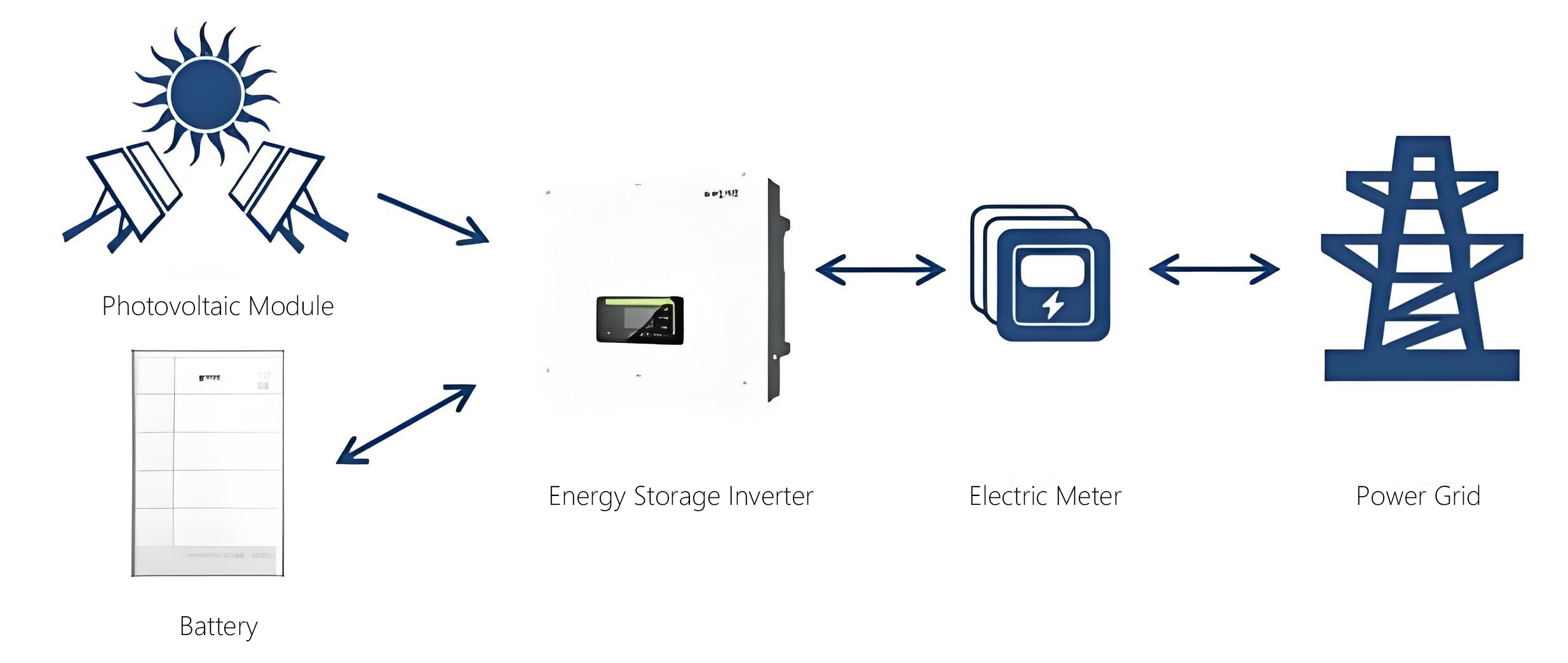
- Supports grid-tied mode, enabling bidirectional power flow (e.g., selling excess power to the grid or purchasing power from it).
- In off-grid mode, powers standalone systems (like remote areas or emergency backup).
1.1.3 Energy Management & Optimization
- Smartly manages charging and discharging based on peak/off-peak pricing, load demand, or renewable generation to maximize economic returns or energy efficiency.
- Integrates with PV inverters, wind power systems, etc., to form integrated solar-plus-storage or wind-solar-storage systems.
1.1.4 System Protection & Safety
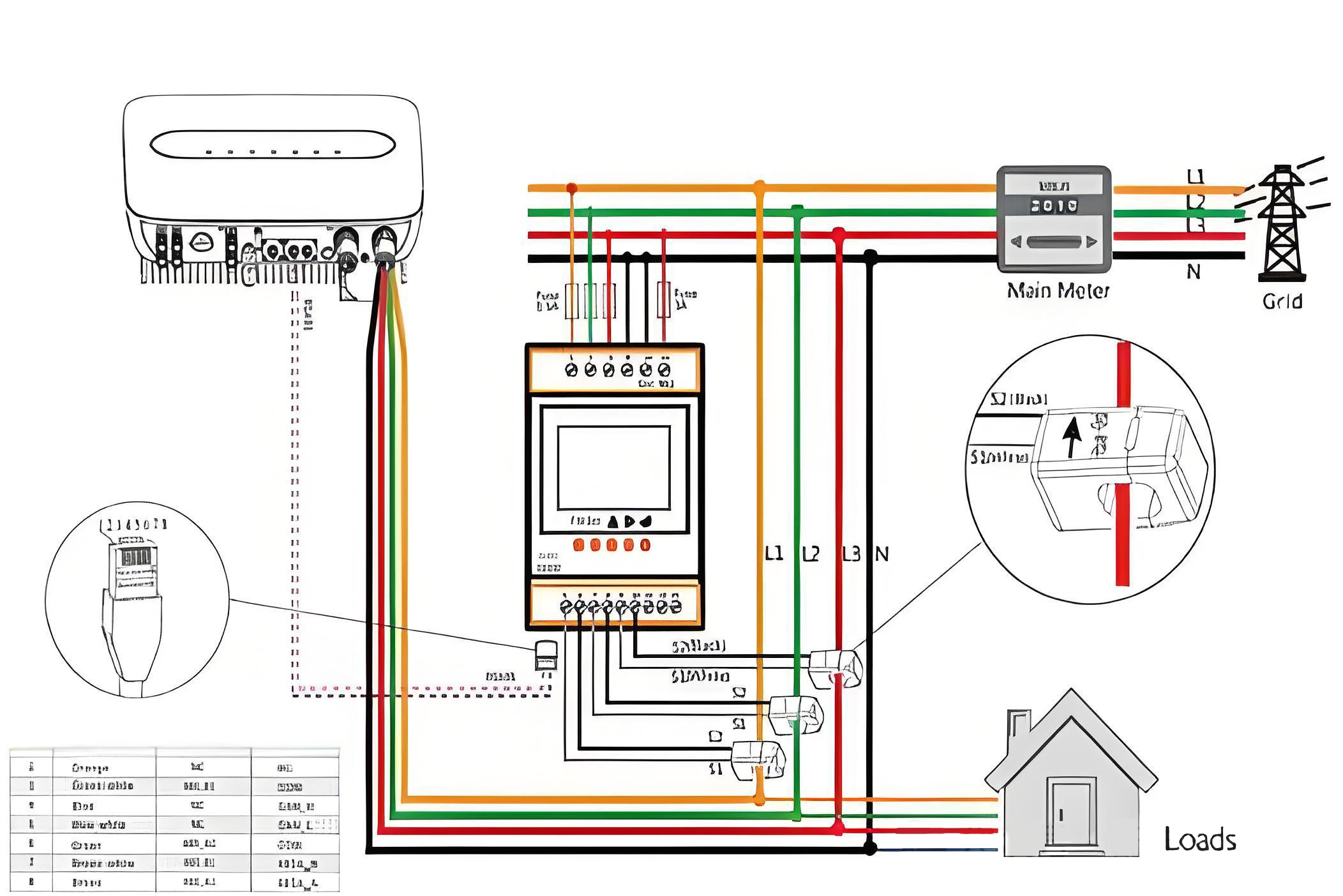
- Monitors voltage, current, frequency, etc., to prevent overcharge, over-discharge, short circuits, or overheating.
- Includes anti-islanding protection (to stop sending power to the grid during outages).
1.2 Key Technical Features
-
High Conversion Efficiency
- Typically exceeds 95%, cutting energy waste and boosting cost-efficiency.
-
Wide Voltage Range Compatibility
- Works with different battery types (like lithium-ion, lead-acid, or flow batteries) and voltage levels.
-
Smart Control & Communication
- Supports protocols like CAN, RS485, Wi-Fi, and 4G for integration with Energy Management Systems (EMS) and Battery Management Systems (BMS).
- Enables remote monitoring and strategy adjustments via cloud platforms.
-
Multi-Mode Operation
- Supports grid-tied, off-grid, and hybrid modes (e.g., self-consumption + feed-in tariff [selling excess power back to the grid] + storage backup).
![Supports grid-tied, off-grid, and hybrid modes (e.g., self-consumption + feed-in tariff [selling excess power back to the grid] + storage backup).](//ueeshop.ly200-cdn.com/u_file/UPBD/UPBD675/2504/18/photo/003-5b68.png)
1.3 Primary Applications
-
Residential Energy Storage
- Paired with rooftop solar for energy self-sufficiency and lower electricity costs.
- Provides backup power during outages (like Tesla Powerwall).
-
Commercial & Industrial Storage
- Takes advantage of price differences between peak and off-peak hours to cut energy costs.
- Serves as backup power for critical facilities (like data centers or factories).
-
Grid-Scale Storage
- Supports grid services like frequency regulation, peak shaving, and black-start capability (restoring power after outages).
- Reduces the impact of unreliable renewable energy (like wind or solar fluctuations).
-
Microgrids & Off-Grid Systems
- Delivers stable power to areas without grid access (like islands or rural communities).
1.4 Challenges & Trends
-
Challenges
- Cost: Battery costs are high, so inverters and systems must become cheaper.
- Lifespan Alignment: Inverter durability must match batteries (typically 10–15 years).
- High Power Density: Scaling up to higher voltages (like 1500V systems) for large-scale projects.
-
Trends
- Integrated Solar-Storage-Charging: Combines solar PV, storage, and EV chargers for zero-carbon systems.
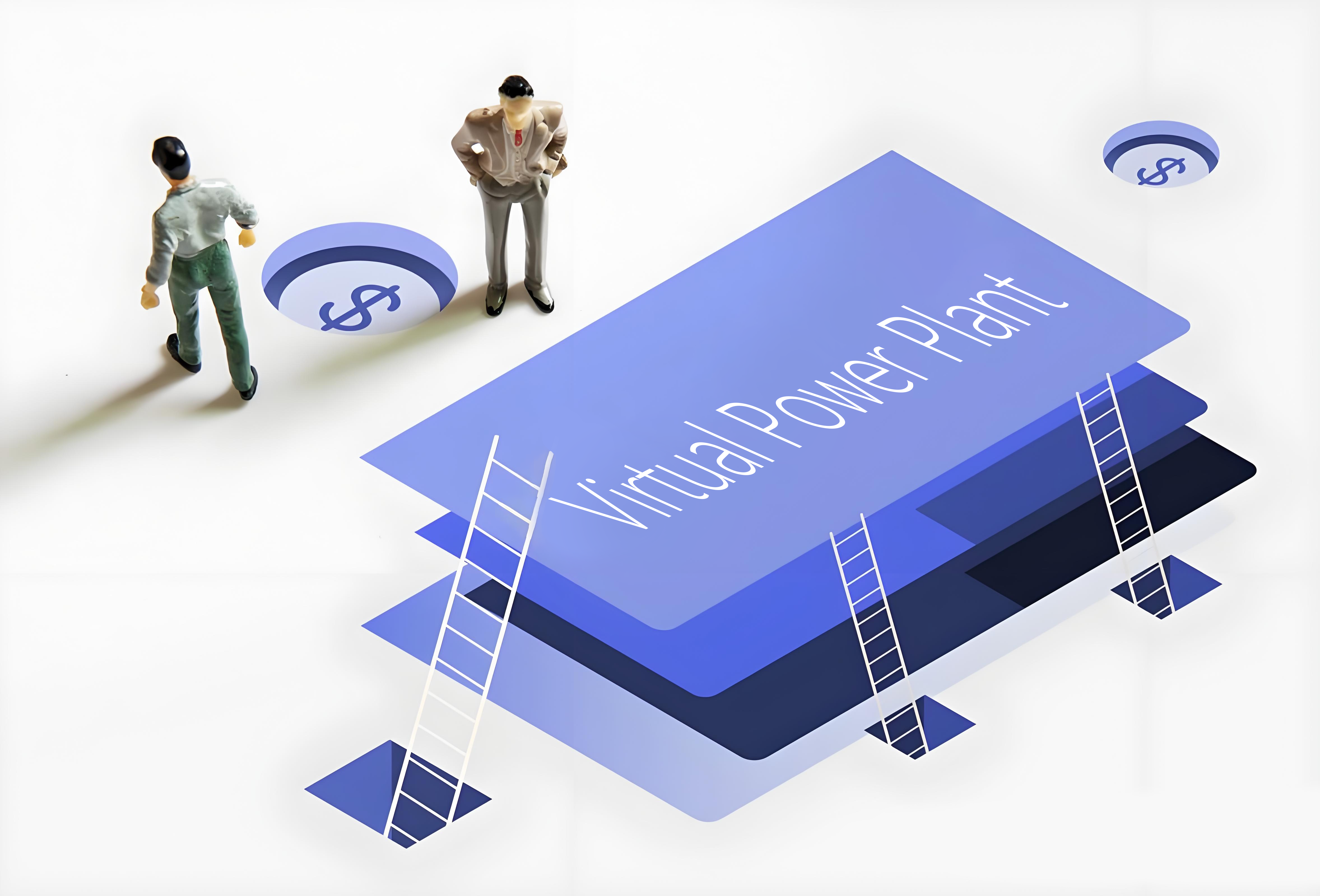
- Virtual Power Plants (VPPs): Combines small-scale storage systems to trade power on the grid.
- AI & Predictive Algorithms: Optimizes charging and discharging to enhance revenue and battery life.
1.5 . Market & Key Players
- Global: Tesla (Powerwall), SMA, SolarEdge, LG, and Fronius.
- China: Leading Chinese brands like Sungrow, Huawei, Kehua Data, GoodWe, Ginlong, and Growatt.
1.6 Conclusion
Power conversion system are pivotal in the energy transition, becoming more important as renewables grow and pricing becomes more flexible. Future advancements will focus on AI/IoT integration, modular design, and heightened intelligence,
2. Definition of Solar Inverters
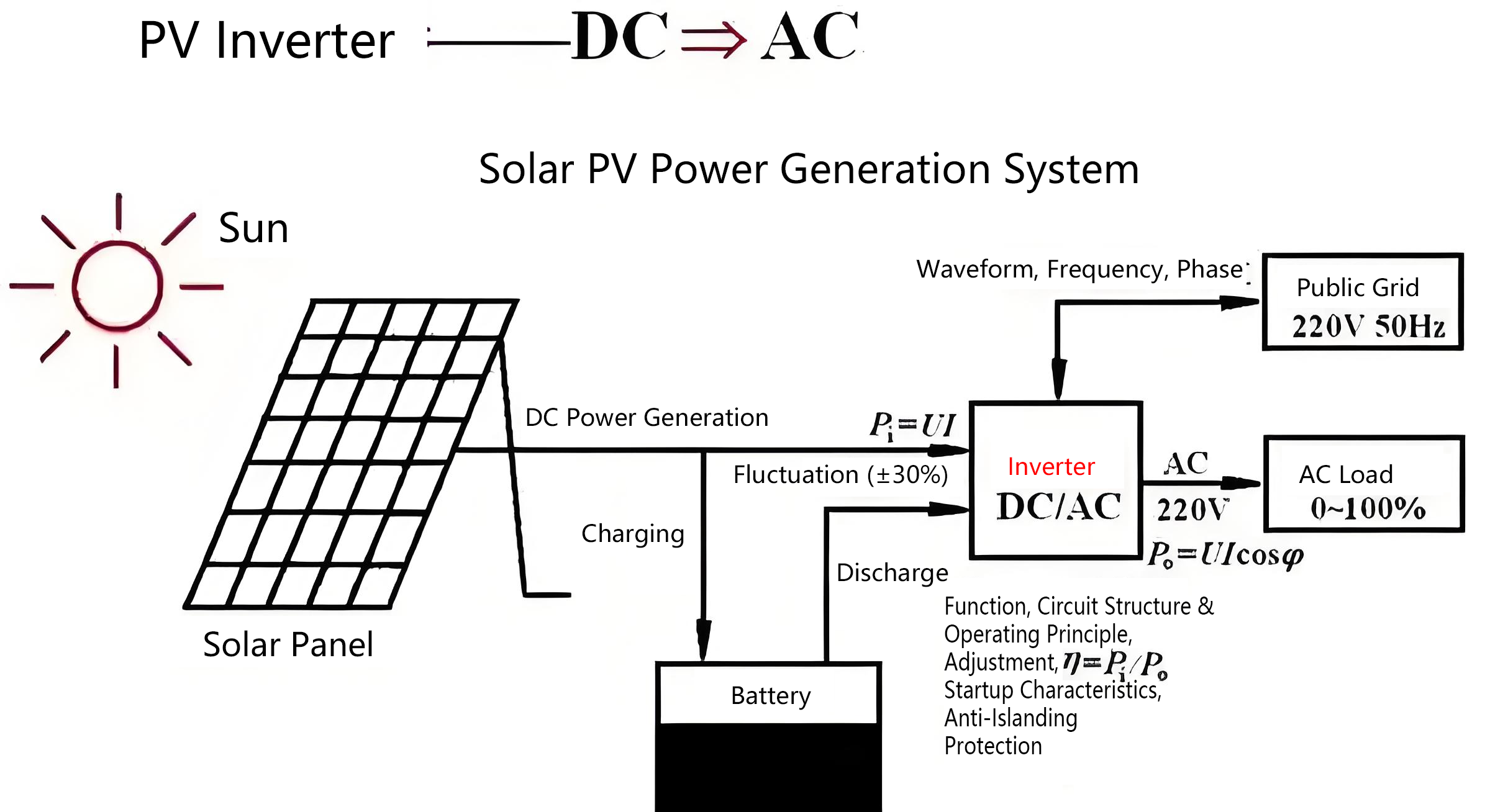
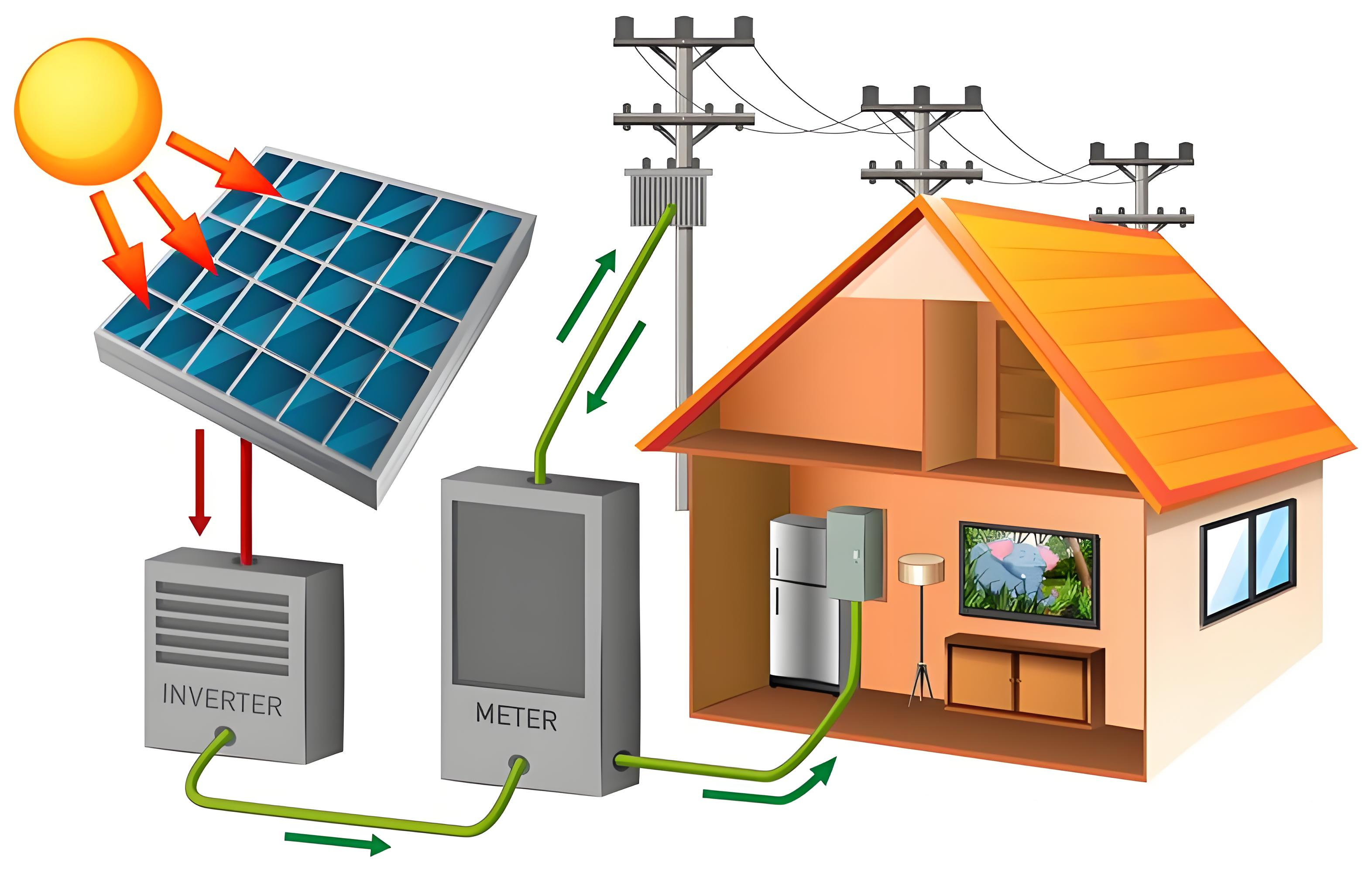
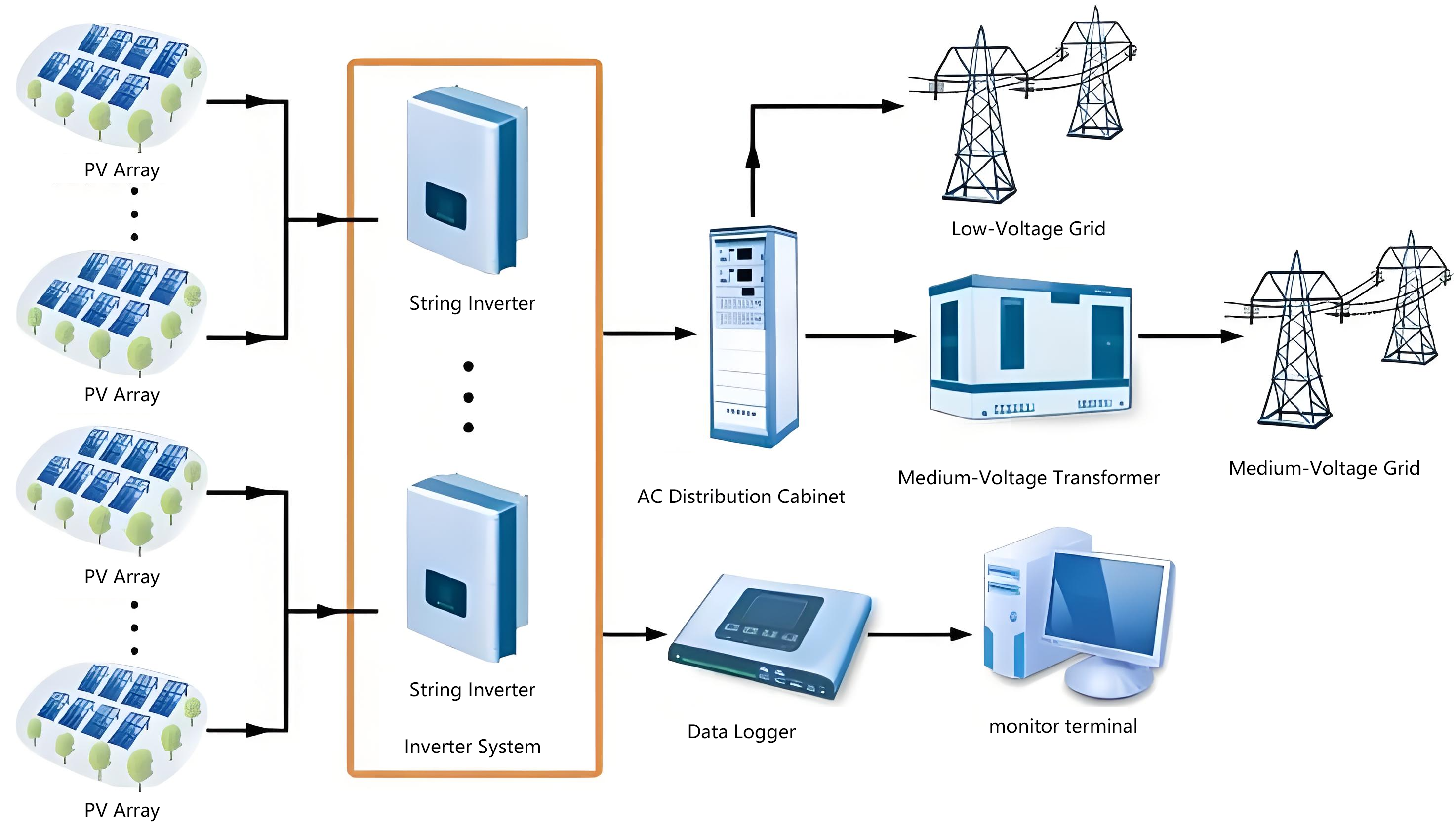
Solar inverters are key components that convert the direct current (DC) generated by photovoltaic modules into alternating current (AC). They primarily convert electrical energy between solar power systems and the grid or loads. Solar inverters must continuously track the maximum power point (MPPT) of the solar array to ensure optimal solar energy generation efficiency. They can be categorized into centralized, string, and microinverters based on application scenarios. Key technical features include a wide DC voltage input range, islanding protection, and grid-connected capability.
3. Core Differences Comparison Between Power Conversion System And Solar Inverters.
-
Functional Differences
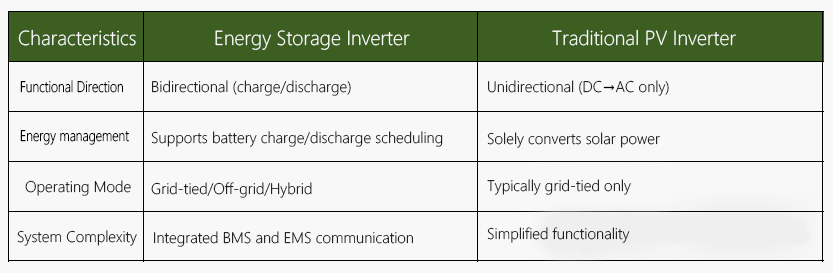
PV inverters are unidirectional energy conversion devices, solely performing irreversible DC→AC conversion, with a focus on maximizing solar power generation efficiency. Their operation is entirely dependent on sunlight availability and lacks energy storage or dispatch capabilities.
Power conversion system are bidirectional energy conversion hubs, capable of both AC/DC conversion and controlling energy flow direction as needed. Their core value lies in shifting energy across time and location to address mismatches between generation and consumption.
-
System Architecture Differences
PV inverters typically consist of a DC/AC inversion module, MPPT controller, and grid protection module. The input connects only to the PV array, while the output feeds into the grid or local loads.
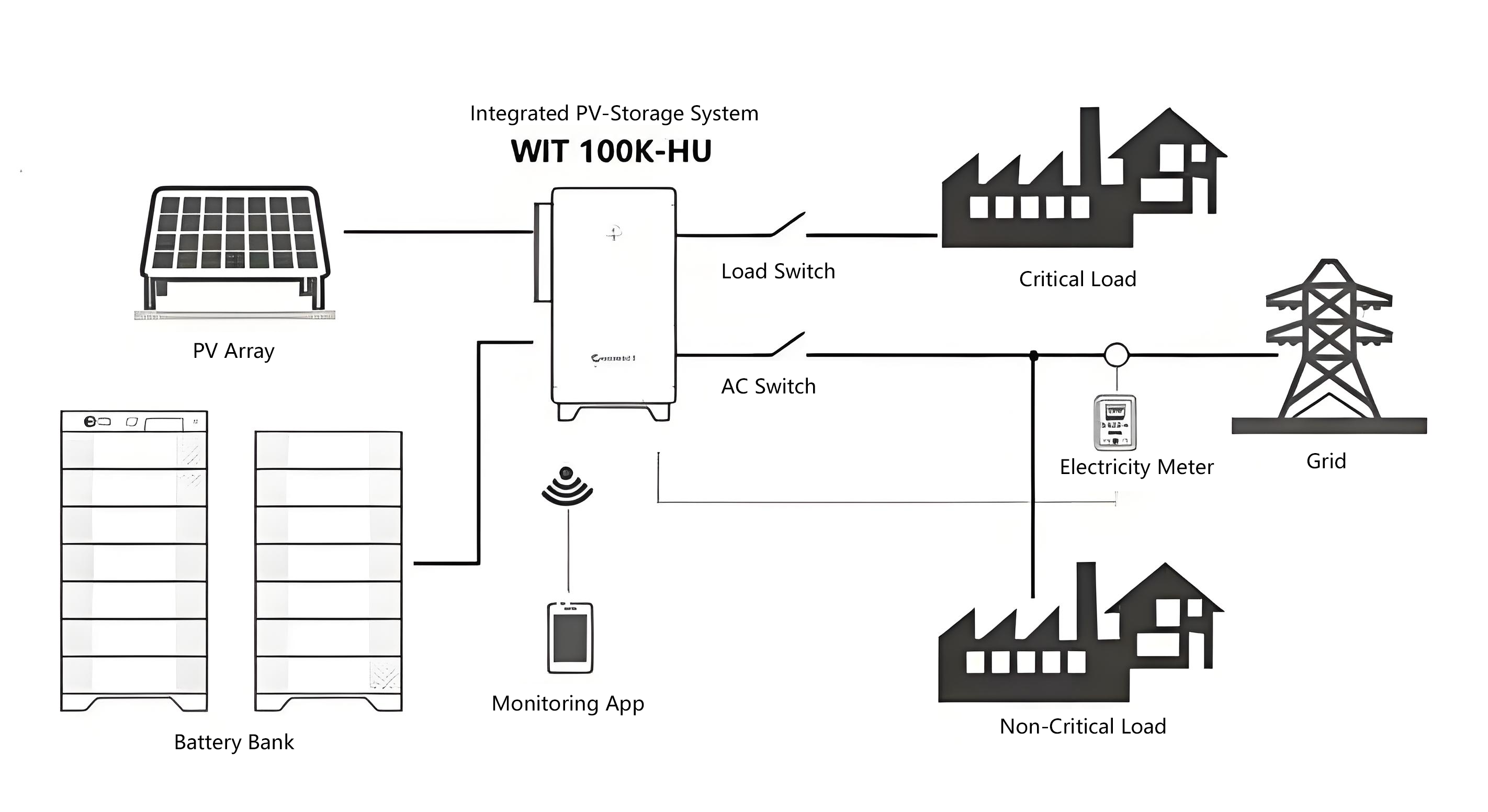
Power conversion system include a bidirectional DC/AC module, battery management interface, and energy dispatch controller. They connect to batteries, the grid, and loads simultaneously, with some models integrating PV input. These systems require millisecond-fast switching to handle grid faults or operational mode changes.
-
Grid-Tied/Off-Grid Capability Differences
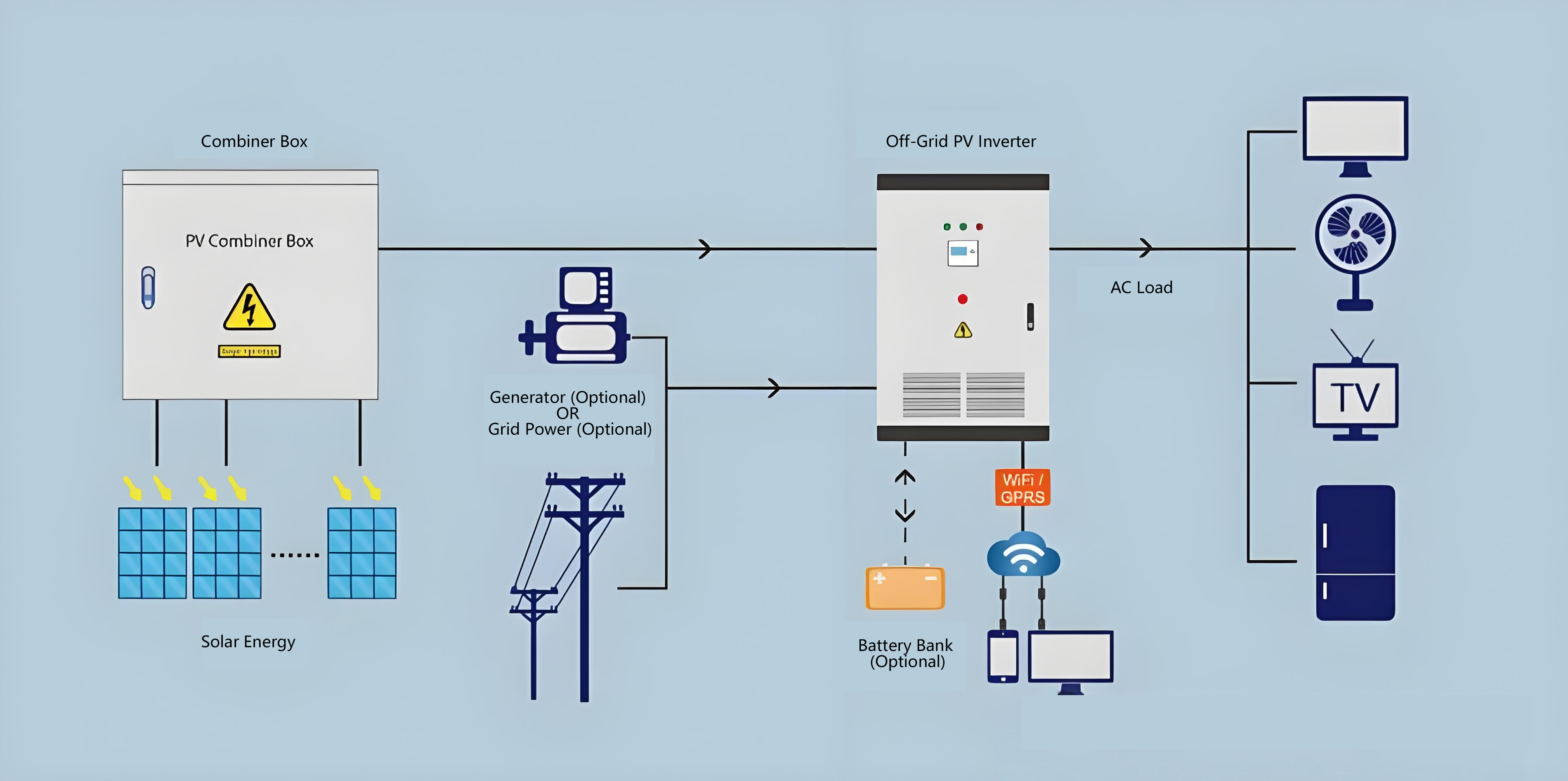
PV inverters in off-grid scenarios require additional control modules and must pair with energy storage. Traditional PV inverters have weak islanding capability and shut down during grid outages to prevent backfeeding.
Power conversion system inherently support off-grid operation and can establish independent microgrids. They enable seamless switching during grid disruptions, ensuring uninterrupted power for critical loads.
-
Efficiency Characteristics
PV inverters achieve peak efficiencies over 98%, but real-world performance fluctuates significantly with sunlight. Their efficiency curve is single-peaked, with optimal operation at 30-80% of rated power.
Power conversion system exhibit overall efficiency (charge/discharge cycle) of 90-95%, limited by battery performance. Their efficiency curve is dual-peaked, with separate optima for charging and discharging modes.
-
Cost Structure Differences
PV inverter costs are dominated by power semiconductors (IGBT/MOSFET, ~25%), MPPT circuits (15%), and cooling systems (10%), with costs of ¥0.2-0.4 per watt (approx. $0.03-$0.06).
Power conversion system add battery management units (15%), bidirectional conversion modules (20%), and control systems (10%), costing ¥0.5-0.8 per watt, not including battery costs.
4. Application Scenarios Between Power Conversion System And Solar Inverters.
PV Inverter Applications:
- Utility-scale solar farms: MW-level centralized-inverter systems for medium-voltage grid connection, ideal for stable-sunlight regions like deserts (e.g., 100MW+ government-subsidized solar farms for rural development in Northwest China).
- Commercial/industrial systems: String inverters for rooftop PV, reducing peak electricity costs (e.g., factories, logistics parks, data centers).
- Residential PV: Microinverters or single-phase string inverters (5-20kW systems), popular in Europe under feed-in tariff (FIT) policies.
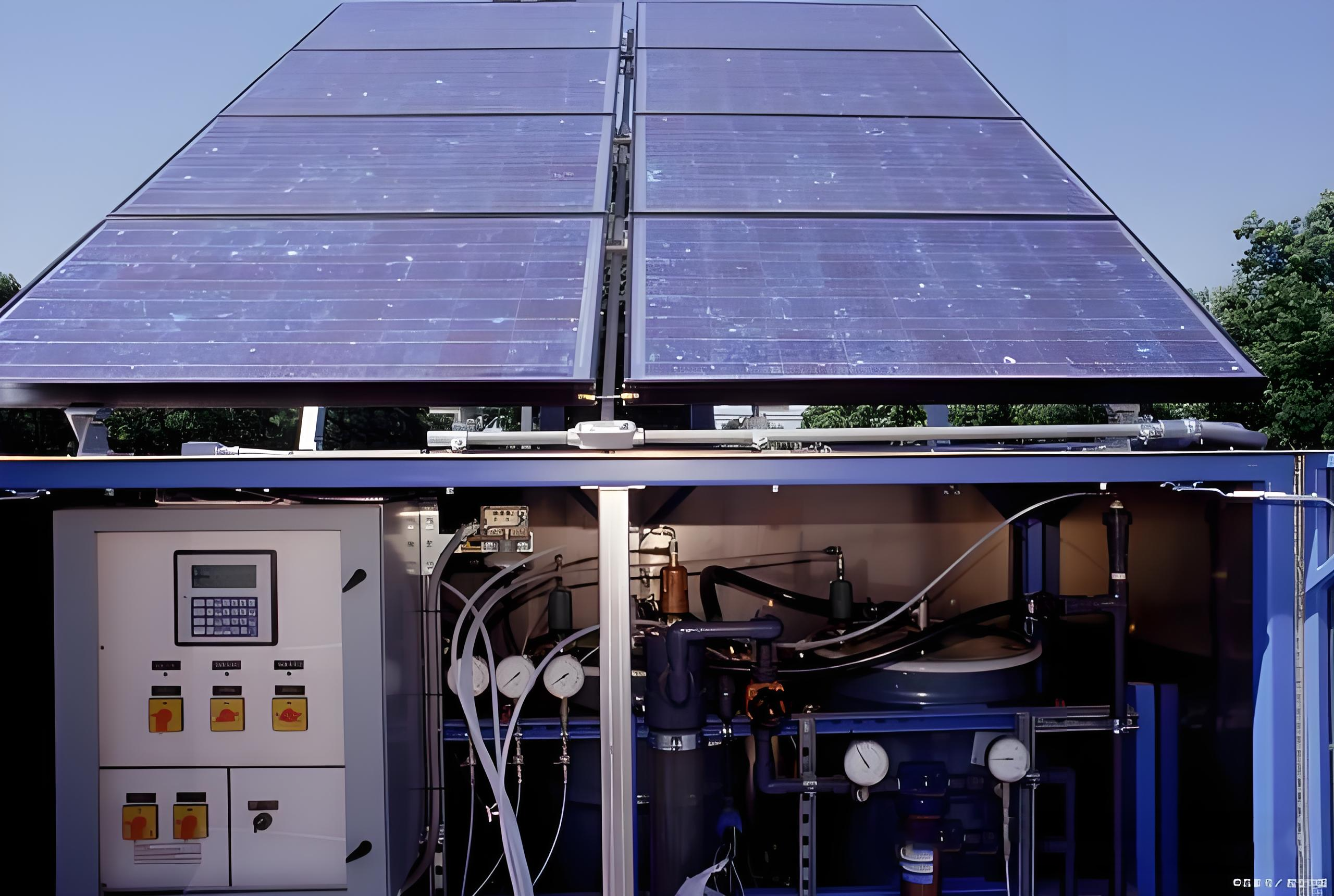
- Solar water pumps: Off-grid inverters for irrigation (e.g., Sahara solar pumps delivering 200m³/day).
- Green hydrogen: Inverters rated at multiple megawatts powering electrolyzers (e.g., Inner Mongolia's 5MW+ projects).
Power Conversion System Applications:
- Home storage: 5-10kW systems with 10-20kWh lithium batteries for self-consumption (e.g., high-electricity-cost markets like Germany).
- Industrial storage: 50-500kW systems for peak shaving (e.g., a Shenzhen factory saving ¥2 million annually with 2MWh storage).
- Grid frequency regulation: MW-scale clusters (e.g., 500MW+ in PJM market, 10x faster than conventional units).
- Microgrids: Island/remote systems integrating diesel, PV, and storage (e.g., South China Sea microgrids with 100% renewable energy penetration).
- EV fast charging: Flexible power distribution (e.g., Shanghai station delivering 480kW without grid upgrades).
- Data center backup: Replacing UPS with lithium+inverter systems (e.g., Microsoft reducing backup power costs by 40%).
5. Technology Convergence Trends Between Power Conversion System And Solar Inverters.
- Hybrid inverters (combining PV and storage): Huawei, SolarEdge; global shipments increased by 67% in 2023.
- Virtual power plants (VPPs): Inverters with IEEE 2030.5 protocol enabling market participation (e.g., Hornsdale's 154-inverter grid support).
- AI integration: Fault diagnosis, shading compensation (e.g., Sungrow's AI inverters), improving energy dispatch efficiency by 12%.
- Wide-bandgap semiconductors: SiC devices increasing power density threefold (e.g., Huawei's 99%-efficient, 40%-lighter models).
6. Market Development Between Power Conversion System And Solar Inverters.
The PV inverter market, valued at $12 billion in 2023, is mature, with Chinese firms holding 70% share. Innovations focus on 1500V systems and IV curve diagnostics.
The power conversion system market, valued at $8 billion in 2023, is growing over 50% annually. Critical challenges involve battery compatibility (lithium iron phosphate (LFP), sodium-ion, and flow batteries) and safety (arc-fault protection).
empowering storage systems to play a greater role in smart energy grids.
![Supports grid-tied, off-grid, and hybrid modes (e.g., self-consumption + feed-in tariff [selling excess power back to the grid] + storage backup).](http://ueeshop.ly200-cdn.com/u_file/UPBD/UPBD675/2504/18/photo/003-5b68.png)


